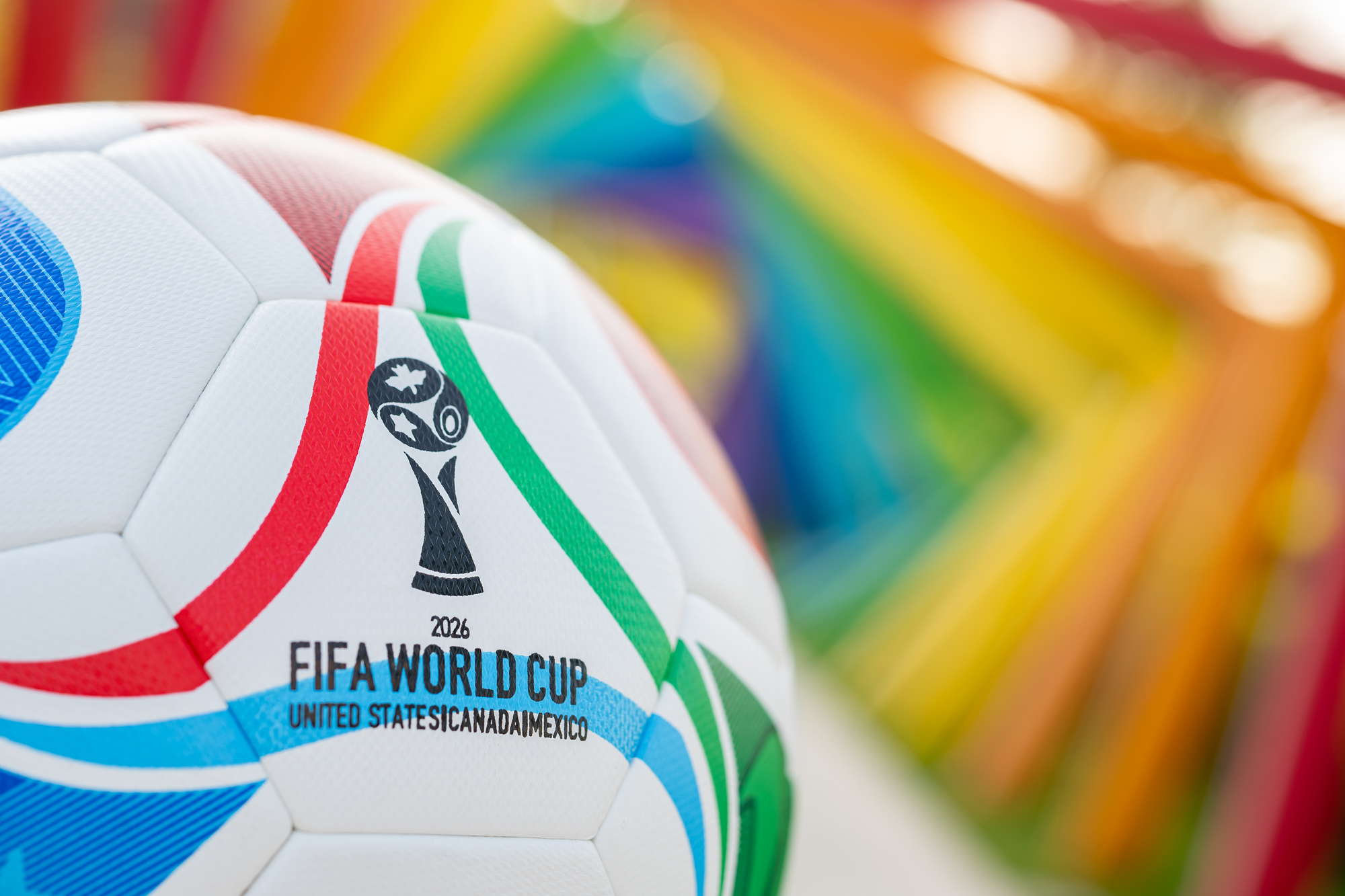
Every four years, the Football World Cup captures the attention of millions of fans around the globe. In 2026, as the tournament takes place across the United States, Canada and Mexico, national teams will once again compete for football’s most prestigious title. As supporters prepare to cheer every goal, it is worth remembering that, behind the excitement, a wide range of standards helps make the tournament possible by supporting player performance, safety and a high-quality experience for spectators.
Before a match even begins, the pitch itself must meet high expectations. Standards such as EN 12233:2003 help keep sports surfaces properly maintained and suitable for play, providing players with a consistent and reliable environment from the first whistle to the final minute.
Once the playing surface is ready, attention turns to two of the game’s most essential elements: the goals and the ball. EN 748:2013+A1:2018 sets requirements for football goals, covering aspects such as design, competition dimensions, strength and stability, so that they are safe and consistent across venues. EN 12235:2013 meanwhile, defines how to measure the rebound behaviour of a football, helping to ensure predictable performance and consistency on the pitch.
Standards also play an important role in protecting players during the game. EN 13061:2009 covers shin guards, addressing aspects such as ergonomics, sizing, coverage, and performance so that players can be protected without compromising comfort or freedom of movement. For goalkeepers, EN 16027:2011 focuses on gloves. It includes requirements for stabilising or stiffening elements designed to help reduce the risk of injuries such as torn ligaments, sprains and fractures.
Comfort is equally important during intense matches, and standards also support performance through appropriate clothing and footwear. EN 17534:2022 sets requirements for textile materials used in sportswear, helping fabrics absorb and transfer moisture away from the skin. EN 12801:2000, meanwhile, concerns footwear materials, helping to ensure durability, resistance to perspiration and reliable performance under demanding playing conditions.
Football is played in a wide range of weather conditions, so footwear must remain reliable throughout the tournament. EN 13073:2001 addresses water resistance in shoes, while EN ISO 22774:2004 specifies test methods for the durability of shoelaces. Other standards, including EN ISO 20864:2004 and EN ISO 20863:2018, cover structural components such as stiffeners and toe puffs, helping footwear retain its shape and provide support during fast and demanding movements.
Beyond performance, fairness remains a fundamental principle of sport. EN 17444:2021 contributes to clean competition by helping to prevent doping risks, setting requirements to ensure that foods and food supplements intended for sportspeople do not contain prohibited substances.
Major sporting events also require effective medical response in case of injury. EN 1865-1:2010+A1:2015 sets requirements for the design and performance of stretchers, helping ensure patient safety while reducing the physical effort required from staff when carrying injured players off the pitch. EN 13726:2023 complements this by covering wound dressings, including requirements related to absorbency, flexibility and effectiveness in injury management.
Of course, an event as large as the Football World Cup is not only about the players on the pitch. It also brings together thousands of fans in stadiums and millions more around the world. For those attending in person, stadiums must offer a safe, comfortable and enjoyable experience. EN 12193:2018 addresses lighting for indoor and outdoor sports events, helping to ensure appropriate illumination, uniformity and colour quality for both players and spectators. In addition, the EN 13200 series supports the design and management of spectator facilities to enhance safety and comfort throughout the event:
- EN 13200-1:2019 outlines general design and management requirements for spectator facilities at entertainment venues.
- EN 13200-4:2023 covers seating, helping to ensure it is comfortable, functional and safe.
- EN 13200-8:2017 addresses safety management and safety procedures in spectator facilities.
- prEN 13200-10 will focus on emergency management in spectator facilities.
Together, these standards help create safe, accessible and well-organised environments in which spectators can fully enjoy the excitement of the game.
Though often invisible, standards are essential to making events such as the Football World Cup possible. From the quality of the pitch to player protection, from medical preparedness to spectator comfort, they support every stage of the tournament. By providing consistent requirements and reliable solutions, standards help ensure that football can be played — and enjoyed — at the highest level, wherever in the world the match takes place.
So, as you watch the next match, remember: behind every goal, there is also a world of standards at work.
Watch the CEN and CENELEC teaser for the 2026 World Cup on our YouTube channel to get a first glimpse of the excitement surrounding the tournament!