List of Nominees 2025
Projects
Nominated by NSAI - National Standards Authority of Ireland

Making Europe the first digitally led circular, climate-neutral and sustainable economy needs major changes across manufacturing: efficiencies in energy and material consumption, new solutions to problems in certification and standardisation, and upskilling of the European workforce. DILAPRO contributes to all of these, driving decarbonization and the twin Green and Digital Transitions via two ground-breaking software tools for laser-based production of complex products. DILAFACT (Digital LaserFactory) is a sustainable and scalable platform for laser process planning via Digital Twins of laser-material interactions, including additive, subtractive, and thermal processes.
DILAPRO contributes to all of these, driving decarbonization and the twin Green and Digital Transitions via two ground-breaking software tools for laser-based production of complex products. DILAFACT (Digital LaserFactory) is a sustainable and scalable platform for laser process planning via Digital Twins of laser-material interactions, including additive, subtractive, and thermal processes.
WINNER STANDARDS+INNOVATION 2025
Nominated by UNE - Asociación Española de Normalización

The NANOBLOC EU project is creating innovative antimicrobial, antiviral, and antifungal nanocoatings to combat the spread of infectious diseases. Our work focuses on developing and upscaling green and industrially scalable technologies for a variety of surfaces, including textiles, air filters, and high-traffic objects.
This project is a collaborative effort involving researchers and industries across Europe, aiming to establish a new benchmark for a safer, cleaner environment. A key innovation lies in the development of new EU-wide standards and validation protocols for these coatings, ensuring their effectiveness while providing a competitive advantage for European industry. Three CWAs are currently under development to support this objective.
By taking innovation and technology from a laboratory-level TRL 3 to a market-ready TRL 6, NANOBLOC bridges the gap between research and real-world application. The project will demonstrate the practical use of these coatings in public spaces and healthcare facilities, helping to build a more resilient and sustainable society. NANOBLOC is a testament to European cooperation in addressing public health challenges and bringing cutting-edge science to the market.
Nominated by ASI - Austrian Standards International

REINCARNATE is a Horizon Europe research and innovation project that aims to transform the construction sector by drastically reducing construction and demolition waste (CDW) and extending the lifecycle of buildings and materials. The project brings together 16 partners from 8 countries to develop a digital Circular Potential Information Model (CP-IM), which combines artificial intelligence, digital twins, and robotics to assess and enhance the circular potential of construction products.
Through this platform, REINCARNATE enables data-driven decision-making to support material reuse, more sustainable demolition practices, and circular design approaches. Ten innovative tools are being developed and tested in 11 real-life pilot sites across Europe and beyond. These tools assist architects, construction companies, facility managers, and policymakers in implementing circular strategies.
REINCARNATE places strong emphasis on knowledge transfer, training, and standardization. The project contributes to the development and validation of relevant standards and provides educational materials, workshops, and digital learning tools. By linking research, practice, and policy, REINCARNATE fosters a new generation of professionals who understand the role of standardization in supporting the circular economy and sustainability in the built environment.
The project has also signed a Memorandum of Understanding with StandICT.eu to collaborate on standardization in environmental and circular economy domains.
Nominated by UNI - Ente Italiano di Normazione

Circthread - Building the Digital Thread for Circular Economy Product, Resource & Service Management, is dedicated to closing the loop of product life cycles through greater recycling and reuse is a priority in line with the EU’s ambitious transition to a circular economy. In this context, the EU-funded CircThread project will focus on data and information management to support the circular economy. More specifically, the project will support decision-making processes by promoting access to existing data. It will design a methodology for sharing information about the different stages of the products’ life cycle, focusing on environmental, social, economic and circular aspects. The overall goal is to create data linkages between product chain, value chain, asset chain and life cycle chains. Circularly use cases will be tested in Italy, Slovenia and Spain.
Nominated by UNE - Asociación Española de Normalización
The SURPASS (Safe-, sUstainable- and Recyclable-by design Polymeric systems - A guidance towardS next generation of plasticS) project is a crucial initiative addressing the global challenge of plastic waste. This groundbreaking project aims to create a new guidance framework for the design and manufacturing of the next generation of plastics.
SURPASS focuses on the core principles of safety, sustainability, and recyclability by designs (SSbD) right from the design stage. By developing a comprehensive set of guidelines, the project will help researchers and industries create polymeric systems that are not only high-performing but also non-toxic, environmentally friendly, and easy to recycle.
The project's work is set to influence future standards and regulations, paving the way for a more circular and responsible plastics economy. By promoting a “design-for-sustainability” mindset, SURPASS will accelerate the development and adoption of safer, more efficient material systems, contributing to a healthier environment and a stronger circular economy.
Nominated by ASRO - Romanian Standards Association
The project Smart² aims to develop and deliver the appropriate tools and applications to promote and establish the intelligence assessment of buildings in Europe through the Smart Readiness Indicator (SRI) scheme. Smart² delivered a cloud-based open platform for assessing the intelligence of buildings, available in all 24 official EU languages, while considering the specificities of the Member States, with the objective of maximizing synergies with other EU initiatives.
Within Smart², the Rate of Return of smart readiness improvements in buildings was identified based on existing CEN standards, enabling the definition of smartness cost-optimal building upgrades. Also, an SRI audit process was developed, serving as a forerunner to a standardized procedure.
An SRI observatory was delivered for the monitoring and documentation of key developments in the evolution of the SRI. Capacity-building activities were also carried out, targeting the issuance of over 10,000 SRI certificates during the project’s implementation. These activities included the operation of an SRI call centre, where stakeholders, building designers, facility managers, and building users had the opportunity to issue their SRI certificate online through a simplified Q&A procedure. The creation of a virtual training centre, the organization of SRI Days, and the establishment of the first Smart Ready Community, were also foreseen and realized within the framework of the Smart² project.
Nominated by IPQ - Instituto Português da Qualidade
Microfluidics, which involves precise fluid handling at scales ranging from nanolitres to millilitres, is essential in biomedical and chemical analysis but currently lacks globally harmonized standards. The EMPIR 20NMR02 MFMET project – Establishing metrology standards in microfluidic devices was a 3-year project that run from 2021 to 2024 and that actively supported the development of the first internationally recognized standards in the microfluidic field, namely ISO 22916:2022, ISO 10991:2023 and ISO/TS 6417:2025, elaborated under ISO/TC48/WG3. The project contributions focused on standardizing microfluidic components, interfaces, testing protocols, and microflow control methods, all critical for the design, manufacturing, testing, and assembly of microfluidic devices. The project also promoted the adoption of these standards across industry—particularly in the health and pharmaceutical sectors—and academia. Also, several project partners were engaged on the work of the CEN/CENELEC Focus group on Organ-on-Chip (FGOoC) that started in 2022, mainly in WG1 – Terminology and WG3 – Engineering, where a standardization roadmap was developed and was published in July 2024.
Nominated by IPQ - Instituto Português da Qualidade

SApHTIES was a three-year EURAMET EMPIR project from 2018 – 2021). The project aimed to improve the accuracy and comparability of seawater pHT measurements, crucial for monitoring ocean acidification and supporting climate and politic strategies. The project developed SI-traceable methods for pHT determinations across pH 7,4 – 8,2, temperatures (0 – 30) °C, and practical salinities 5 – 40 and produced reference solutions using the Harned cell achieving a target expanded uncertainty of 0,003 on the pHT scale. Additionally, a comprehensive uncertainty model for spectrophotometric pHT measurements was developed, with an expanded uncertainty target of 0,006, supported by a software tool for uncertainty evaluation. The project also conducted an interlaboratory comparison to validate the improved methods for ocean acidification monitoring. These outcomes contributed to the revision of ISO 18191:2015 developed under ISO/TC 147/SC 2 incorporating key metrological concepts such as traceability and uncertainty assessment, thereby enhancing the comparability and reliability of pHT measurements in seawater and fostering collaboration between metrology institutes and oceanographic community. Its outputs supported climate research, environmental protection, and informed policymaking across Europe and globally.
Nominated by AFNOR - Association Française de Normalisation

The CEN Workshop agreement CWA 17541:2020 “European Criteria for Quality Internships “ and then the ISO standard 29997 "Internships — Quality guidelines for host organizations" are designed to clarify internship-related terms and concepts, establish a quality framework for internships with criteria, and outline best practices.
Both documents are the result of a pre-standardization efforts from the European project SPRINT (Standardize best PRactices about INTernships), which led to the creation of a first CEN Workshop Agreement in 2020 and eventually an ISO standard. With more than 400 million internships conducted each year, there is a pressing global need for tools that clearly define a "good" internship.
Supported by all stakeholders involved in internships—such as companies, higher education institutions, insurance organizations, and quality-focused entities—the CWA and ISO standards seek to establish quality criteria and guidelines for effective internships at both national and international levels, whether they occur during or outside of education. The objective is to guide stakeholders towards mutually beneficial relationships and simplify the internship process for all types of organizations, providing recommendations rather than imposing requirements.
Nominated by SESKO - Finnish Electrotechnical Standards Association
The AURISKI project assessed the compliance of 60 installed small-scale photovoltaic systems, and the surveys identified both successful implementations and significant development needs. Shortcomings were found in documentation, marking and commissioning inspections, but protection methods and system separation were mainly compliant.
Customer surveys carried out during the project also revealed the experiences of property owners with the procurement and installation processes of photovoltaic systems. Although most users were satisfied with their systems, the assessment of economic benefits varied, and there were sometimes differences in the quality of the sales and installation processes. This highlights the need for clearer interpretations of standards and better guidance for both contractors and customers.
The contractor guidance materials developed in the context of the project provide practical tools for improving the quality of photovoltaic system installations. The AURISKI portfolio and the study of fire regulations for buildings and urban building regulations, are all steps towards safer and more sustainable photovoltaic installations.
The collaboration between different levels of education showed that involving students and staff in the activities can significantly develop the knowledge and practical understanding of those working in the field and complement previous teaching material with versatile and illustrative new outputs.
https://www.samk.fi/hanke/aurinkosahkojarjestelmien-asennusten-riskikartoitus-auriski/
Researchers
Nominated by UNE - Asociación Española de Normalización

Dr. Esteban Abad Holgado, a distinguished scientist at the Institute of Environmental Assessment and Water Research (IDÆA) of the Spanish National Research Council (CSIC), has been nominated for his significant contributions to standardization. For over 30 years, his research has focused on the analysis of dioxins and other persistent organic pollutants (POPs) in environment, industrial processes, food and feed and human tissues, using advanced mass spectrometry techniques. It is noticeable the collaboration with UN Environment on POPs, especially in the GRULAC region. Dr. Esteban Abad is also President of the Spanish National Mass Spectrometry Society (SEEM).
Dr. Abad's nomination recognizes his exceptional work in linking cutting-edge research to the development of european standards. His direct involvement in CEN/TC 264, the technical committee for air quality, and specifically in CEN/TC 264 WG1 “Dioxins -emissions” as convenor since 2019, as well as in its UNE national mirror committee since 2019, has been instrumental in the creation of harmonized analytical procedures that ensure the reliability and comparability of data on POPs. This work is vital for both environmental protection and public health, helping to translate scientific innovation into practical, regulatory tools. His efforts not only advance scientific understanding but also facilitate international cooperation and trade by establishing a common framework for environmental and food safety analysis.
WINNER STANDARDS+INNOVATION 2025
Nominated by UNI - Ente Italiano di Normazione

Rembrandt Koppelaar has been nominated for the Standards + Innovation Individual Researcher/Innovator Award 2025 for his significant contribution to bridging research, innovation, and standardization in the field of Digital Product Passports (DPP). As coordinator of the EU CircThread project and chairperson of the CEN Workshop Agreement CWA 18186:2025 “Guidelines to create a Digital Product Passport – the EU project CircThread experience”, published in May 2025, he played a key role in developing one of the first European guideline documents on DPPs. CWA 18186 provides a comprehensive framework that compiles functional requirements, data categories, and information flows needed for DPPs across the entire product life cycle. It also offers practical guidance to support companies and SMEs in initiating pilot projects and developing interoperable solutions, reducing uncertainties and costs in the current pre-standardization phase. Through this work, Rembrandt Koppelaar has created a strong foundation for future European standardization activities on DPPs. His efforts are already supporting other emerging CWAs and more than 100 EU-funded projects working on DPP-related solutions, helping prepare industry for the upcoming EU legislation on DPPs and fostering more sustainable production and consumption practices in line with SDG 12.
Nominated by DIN - Deutsches Institut für Normung



It is expected that all firefighting foams containing fluorine compounds will be banned, because the EC wants to limit the use of PFAS. Unfortunately, fluorine-free foams behave quite differently and have different extinguishing characteristics. It is of utmost importance to test and verify their firefighting capabilities.
It was very challenging to transfer the firefighting performance of fluorine-free foam agents as determined in the EN 1568 series to real world scenarios, where the expansion of the foam differs from the one it was tested with.
Mrs. Wang Lianzhen and Mr. Froemter contributed to implementing a new test method into EN1568-series which originally was developed by Dr. Kaller and his team. This method now allows to test a foam agent’s performance at various pre-set expansion ratios providing the possibility to approximate the extinguishing performance of a foam to real world expansion conditions.
Nominated by NSAI - National Standards Authority of Ireland

“Electric Vehicle Acoustics (EVA): Enhancing AVAS Standards Through Inclusive Pedestrian Research” is the title of the work Flaithrí, funded by Research Ireland and hosted by the National Disability Authority.
EVA is a standards-aware study comparing how sighted and visually impaired pedestrians perceive electric-vehicle Acoustic Vehicle Alerting System (AVAS) sounds. Using a mixed-methods design with over 90 participants, the findings suggest that current regulations and standards do not fully meet real-world safety needs. Pedestrians with visual impairment were ten times more likely than sighted peers to highlight detectability as a continuing safety concern despite AVAS, and both groups reported similar distress during surprise EV encounters, indicating that even AVAS-compliant EVs may not provide sufficient warning distance for all pedestrians.
EVA proposes augmenting future AVAS evaluation with practical behavioural metrics – specifically, time-to-awareness (TTA), minimum audible distance (MAD), and intent intelligibility - to ensure AVAS communicates driver intent earlier and at appropriate distances. The work aims to inform revisions to ISO 16254 and related guidance, and to seed an open verification toolkit aligned with OEM/Tier-1 NVH (noise, vibration and harshness) and HIL (hardware-in-the-loop) workflows. By aligning compliance with human-centred outcomes, EVA aims to support city managers and vehicle manufacturers in deploying quieter, yet safer, EVs.
Young Researchers
Nominated by DIN - Deutsches Institut für Normung

Yihan Chen is a PhD student at the Department of Innovation Economics at TU Berlin under the supervision of Prof. Dr. Knut Blind. Her research explores the development of international standardization and its relation to economic growth and technological innovation.
Using a novel dataset of the New Work Item Proposals (NWIPs) submitted to ISO, her study analyses how economic aspects and innovation indicators influence participation in early-stage international standardization. The research provides insights into how national policies can better align with international standardization efforts, bridging standardization, economic analysis, and research policies.
Taking on this new perspective by focusing on the initiation of standards, the importance of equal representation in international standardization is stressed once more in order to jointly shape the standards of tomorrow for all stakeholders. Building up on these findings, relevant standardization policies and technological innovations are explored in a next step, assessing their unique impact on international standardization.
WINNER STANDARDS+INNOVATION 2025
Nominated by AFNOR - Association Française de Normalisation

Dr. Luca Nannini is a Senior AI Policy & Standards Specialist whose work exemplifies the successful integration of academic research and standardization. Holding a Marie-Curie "cum laude" Ph.D. in AI from the Universidad de Santiago de Compostela, his doctoral research focused on Explainable AI (XAI), Process Mining, and AI Governance.
Dr. Nannini has effectively translated his research on AI ethics and regulatory compliance into tangible leadership roles within the European standardization ecosystem. He is currently the Project Leader for CEN/CENELEC JTC 21's JT21008 project, contributing to harmonized standards for the EU AI Act. He also serves as a standardization expert representing Italy (UNINFO) in multiple working groups. His work extends to educating a wider audience on the importance of standards, evidenced by his development of MOOCs on standards and his role in NoLeFa with EU AI Act Market Surveillance Authorities. His career demonstrates a remarkable trajectory from foundational research to impactful leadership in standardization.
Nominated by NSAI - National Standards Authority of Ireland
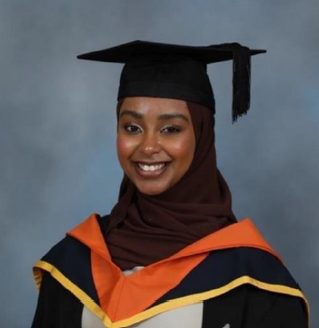
Abrar Abdelsalam is a PhD researcher in Mechanical and Manufacturing Engineering at Dublin City University, contributing to the Research Ireland-funded National Challenge Fund PolyFASt project, which is developing advanced filtration systems and portable electrochemical sensors to detect and remove per- and polyfluoroalkyl substances (PFAS) from water. These so-called “forever chemicals” are chemically stable, bioaccumulative, and linked to a wide range of health issues, including cancers, thyroid dysfunction, immune suppression, liver damage, reduced vaccine efficacy, and reproductive disorders. Studies show PFAS are present in the blood of over 99 % of Americans tested, often above recommended safe thresholds, and recent European monitoring has detected them in more than 70 % of tested surface and groundwater sources.
In 2023, the EU Drinking Water Directive set a combined limit of 0.1 μg/L for 20 PFAS compounds, making robust detection and removal technologies an urgent priority. From the outset, Abrar embedded ISO standards and NSAI/TC 158 – Water Analysis guidance into her research, using them to shape experimental design, analytical validation, and performance benchmarking. This standards-based approach ensures reproducibility, traceability, and full alignment with EU and international regulatory frameworks, making the technologies market-ready from day one.
In parallel, Abrar has engaged with regulators, industry, and community groups, and raised public awareness of PFAS risks through national media. Her work is a clear demonstration of how early-stage research, when guided by recognised standards, can deliver timely, impactful, and trusted solutions to a critical public health challenge.
Nominated by SESKO - Finnish Electrotechnical Standards Association

The objective of this bachelor’s thesis - Building service requirements for lift installation - was to create a guide to be utilized at construction sites to streamline the lift installation process, and it was also to cover relevant structural requirements. It focuses mainly on machine room-less traction elevators.
The guide is based on a survey of commonly asked questions and common faults leading to markings in the lift inspection records and was formulated to encompass information on both structural and building service requirements for lift shafts. This document serves as a cohesive resource for easily accessing critical information.
The outcome of this bachelor's thesis is a versatile guide applicable throughout the construction process, aiding in planning and construction phases. It can also be used by personnel involved in lift installations for the efficient retrieval of standards and guides. Utilizing the guide can save time and streamline the lift installation process. The study identified several areas for harmonizing the use of standards and requirements.
The result also identified a need for a publication that would cover the needs related to elevators in electrical design and how elevators could be connected to other building automation systems.
Education
Nominated by ASRO - Romanian Standards Association
B-Green-ED Project aimed to stimulate the European green economy and climate neutrality by developing innovative higher education practices related to the implementation of micro-credential courses developed in cooperation with European standardization bodies.
The developed innovative micro-credential courses were in line with labour market needs and facilitated the provision of flexible, accessible, and inclusive learning focused on industry/sector-related environmental, management, and green standards that support the transition to a green and digital economy.
Nominated by DIN - Deutsches Institut für Normung

Professor Dr. Petra Drewer of Hochschule Karlsruhe – University of Applied Sciences is nominated for her outstanding contributions to standardization education. A two-time winner of the prestigious "Professor of the Year" award, Dr. Drewer's approach transforms the often-abstract topic of standardization into an engaging and relevant subject.
As a tenured professor, she masterfully integrates standardization into her curriculum, using guest lectures from industry experts, hands-on projects, and real-world excursions, including trips to DIN in Berlin. She empowers students by giving them the unique opportunity to comment on draft standards, making them active participants in the standardization process. Her teaching culminated in a student-produced video about standardized staircases that went viral, garnering over 10 million views and capturing the attention of a wide audience, including DIN officials.
Dr. Drewer's dedication extends beyond the classroom. She is a prominent figure in the field, serving as Vice-Chairperson of the DIN Standards Committee Terminology (NAT). Her efforts not only enrich local education by connecting students with professionals and fostering a deep understanding of standardization's democratic process but also promote its vital role in everyday life to a wider audience. Through her innovative methods, she demonstrates that standards are not just technical documents, but dynamic tools essential for society.
Nominated by AFNOR - Association Française de Normalisation

Dr in Materials sciences in 1991 by Pau & Pays de l’Adour, he was nominated as associated professor in 1993 in the department of Earth Sciences after a post-doc for Elf Toray CNRS on high temperature materials for aeronautic. He moved to University of Bordeaux in 2000 and got his HDR in 2004 in Earth Sciences. He was the international coordinator of the department from 2006 up to 2013. Co-director of the Laboratory EA-CNRS 4592 from 2013 up to 2017. He supervised around 35 PhD and HDR and published more than 120 manuscript in international journals. He was involved in around 20 ISO-Standards for TC201, TC202 & TC147. During his career he collaborate with enterprises such Arcelor, Cameca, CEA, EDF, Elf, Horiba, Italcementi, Philips Electronic, Schlumberger Thermofisher, Toray. He create and is the president of the NGO “Chercheurs du Monde”, from 2044 to promote sciences, educations and innovation.
Nominated by ASI - Austrian Standards International

Making standards and standardisation a topic of suspense and strategic interest for business students in higher education is the goal of Prof. Alfred Radauer, Head of the Institute of Business and Innovation at the IMC University of Applied Sciences, Krems in Austria. By showcasing how standards and standardisation impact markets, and how the topic needs to be catered for innovation management, Prof. Radauer attempts to make tomorrow’s decision makers fit for the global innovation race.
WINNER STANDARDS+INNOVATION 2025
Nominated by UNI - Ente Italiano di Normazione$
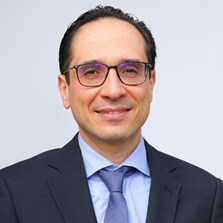
Nizar Abdelkafi, Associate Professor at Politecnico di Milano, is a tireless passionate of standardization in higher education. He has embedded standards across courses in supply chain and innovation, engaged 100+ students through serious games (e.g., the IEEE Mars Game), and co-authored one of the few global textbooks on ICT standardization, complete with teaching slides and now in its 2nd edition. Nizar designs inquiry-driven learning, co-organized outreach events with UNI (Italian National Standards Body), and is launching a dedicated pilot course, “Standardization for Engineers,” (https://www.polimi.it/en/corsi/passion-in-action/detail/standardization-for-engineers) aligning technical education with European values. He is an active member of the EDU4Standards.eu team and has led DIN-funded research on the innovation potential of standards and their strategic use by start-ups.
Technical Body Officers
Nominated by AFNOR - Association Française de Normalisation
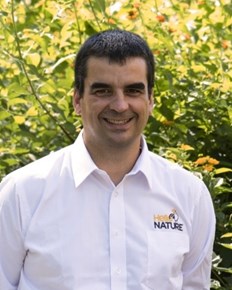
With over 25 years of expertise in standardization, Benoît PLANQUES has been a driving force in shaping the future of sustainable agriculture through his leadership in CEN/TC 455 – Plant Biostimulants. In 2017, he proposed the creation of this technical committee to standardize plant biostimulants—a key family of agricultural inputs that enhance climate resilience, food sustainability, and reduced chemical dependency.
Under his chairmanship, CEN/TC 455 has become a bridge between research and industry, fostering collaboration with leading European universities (Gembloux, La Tuscia, Piacenza) and research organizations. Benoît’s efforts have successfully integrated scientific advancements into 33 EN standards, aligning with the EU Regulation 2019/1009 on fertilizing products.
A passionate advocate for standardization, Benoît has promoted its importance at global conferences, including the World Congress on Biostimulants, AAPFCO, and ISHS, ensuring that European standards set the benchmark for a harmonized, innovative, and sustainable biostimulant market.
His work exemplifies how standardization and research collaboration can drive impactful change—supporting farmers, businesses, and policymakers in building a resilient and sustainable agricultural future.
Nominated by UNI - Ente Italiano di Normazione
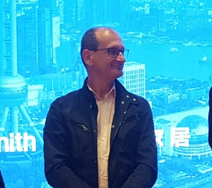
Fabrizio is recognized for his outstanding dedication and leadership in his role as CEN/TC Secretary for CEN/TC 207 “Furniture” and CEN/TC 346 “Cultural heritage”. His efforts have been instrumental in facilitating the timely and successful adoption of crucial European Standards in a complex technical domain.
He made a considerable contribution to bridging the gap between innovation and standardization by securing stakeholder engagement from researchers in standards development, to actually managing innovation projects for the publication of several CWAs (CEN WORKSHOP AGREEMENT).
Fabrizio has always been committed to the effective and efficient functioning of the European standardization system, ensuring that the consensus-building process delivers high-quality standards that support the European single market and reflect the needs of all stakeholders.
Recently, his involvement in the CEN-CENELEC SMART Standards Initiative will be strategic, aiming to champion the digital transformation of European standardization.
Nominated by UNI - Ente Italiano di Normazione

Cesara Pasini's work is a clear positive example of how to promote innovation in the world of standardisation.
Through her expertise in innovation management and her interpersonal skills, she has been able to promote a national standardisation project on innovation management professionals (UNI 11814:2021) at European level (prEN 18215:2025), initially facilitating the financing of the secretariat of the relevant WG (CEN/TC 389/WG 7) and making herself available in the role of Convenor, which she has performed impartially and fairly, promoting compromise and consensus between the parties, especially in moments of greater technical complexity, giving always priority to the dissemination and effective implementation of innovation, by fostering the creation of a robust competence framework aligned with European and international developments.