NEWS

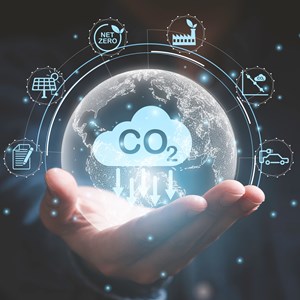
Methane (CH4) is the second most important Greenhouse Gas (GHG) contributor to climate change. 60% of the global methane emissions result from human activity, 1/3 of which is generated in the energy sector. To address the climate change challenge, the European Union has adopted Regulation (EU) 2024/1787 on the reduction of methane emissions in the energy sector, which sets ambitious requirements applicable to the oil and fossil gas infrastructures in Europe. Considering that the EU imports most of its oil and fossil gas, Regulation (EU) 2024/1787 also addresses methane emissions occurring outside the EU, with respect to crude oil and natural gas (the main component of which is methane) placed on the EU market.
The CEN Workshop on ‘Characterization and testing of membranes for gas separation applications’ was kicked off on 04 June 2024. The Workshop’s registered participants have agreed on the final draft of the CWA.
The CWA describes a set of common procedures, methodologies and protocols to be applied when determining specific performance characteristics of gas separation membranes for various applications.
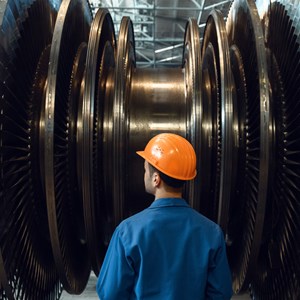
Gas turbines are a fundamental tool to ensure the steady supply of energy: at the heart of power plants, they act as an engine that turns natural gas into mechanical energy. In turn, this energy generates the electricity that moves along power lines to our homes and businesses.
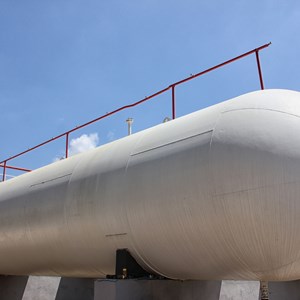
The current energy crisis due to the Russian invasion of Ukraine has seriously impacted Europe’s traditional energy supply, with important consequences for its economy. In response, the continent is striving to find solutions to diversify its energy mix and increase its ‘strategic autonomy’.