Digital standards increasingly shape how digital markets function, how public services are delivered, and how innovation scales across borders. From digital identification and payment systems to Digital Product Passports (DPP), data exchange, and cybersecurity, standards form the technical foundation of the digital economy. The World Development Report 2025 (WDR) highlights that these standards are not neutral: they embed choices about interoperability, competition, and governance. This perspective is also reflected in the European Framework for Science Diplomacy, which recognizes standards as practical instruments for international cooperation, trust-building, and market shaping.
The WDR 2025 points to a persistent participation gap. Low- and middle-income countries remain underrepresented in international digital standardization, particularly in fast-moving ICT domains. Limited participation often means adopting standards developed elsewhere, with little influence over how they reflect local market realities, regulatory priorities or institutional capacity. In the digital domain, this gap can translate into technological lock-in and reduced policy space.
Participation in international standardization, like recently initiated standardization activities for the DPP at ISO and IEC, is therefore a strategic issue. Decisions taken in technical committees today shape future digital infrastructures and markets. Active engagement ensures that countries can contribute their perspectives and help shape rules that reflect their priorities.
European and international standardization organizations support more inclusive participation. CEN, CENELEC and ETSI, as well as European National Standards Bodies and National Committees, contribute to international standardization and cooperate closely with ISO and IEC. Beyond developing standards, they bring experience in consensus-based processes and in linking technologies and services with research, innovation, and regulation.
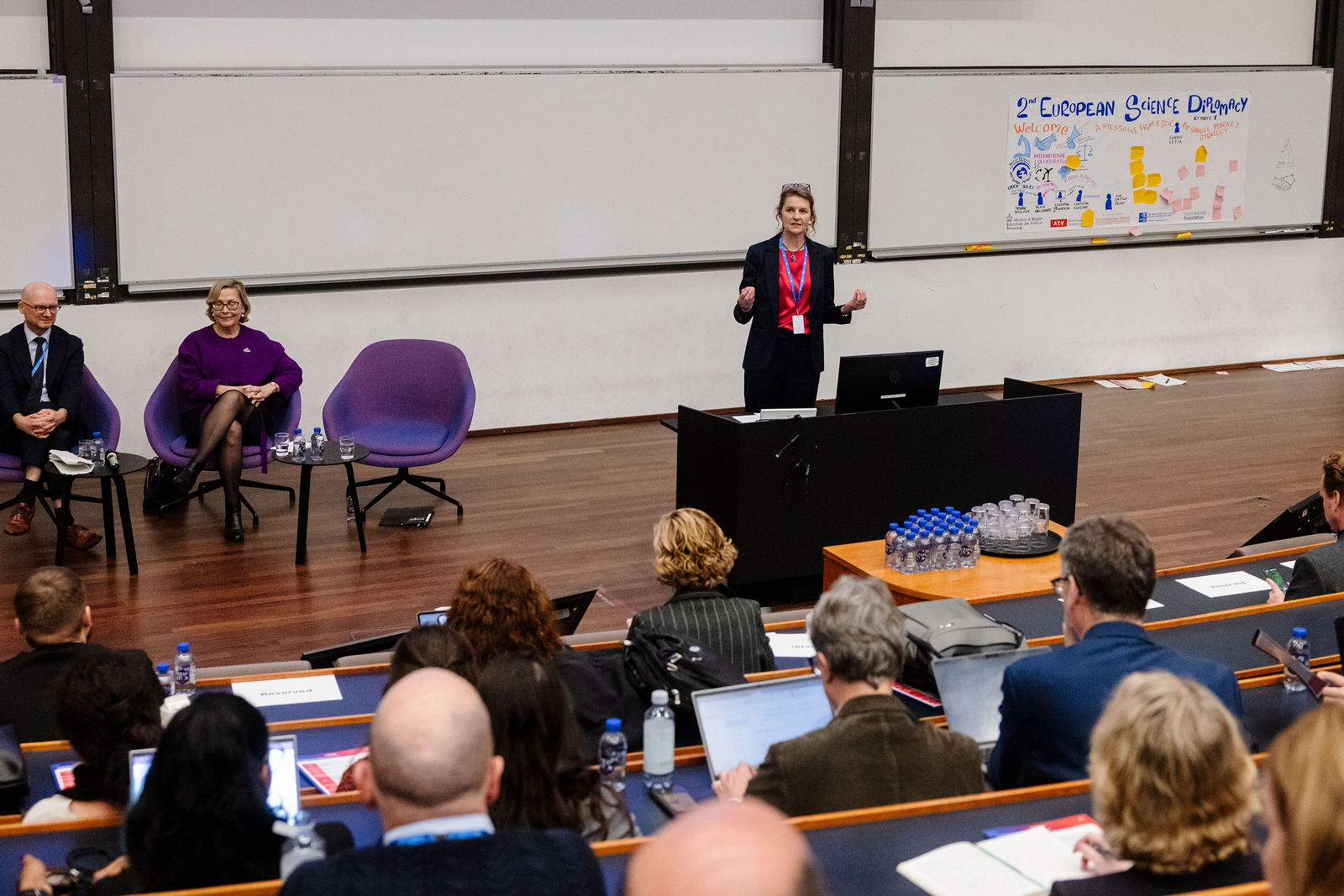
Discussions at the 2nd European Science Diplomacy Conference in December 2025, including the session “Boosting European competitiveness through science & tech diplomacy”, underlined that standards provide a practical, rules-based platform for technical cooperation and trust across borders. In this context, Pouline Terpager, Sherpa at the High-Level Forum on Standardization representing CEN and CENELEC and Director International Policy at Danish Standards, highlighted how standardization can shape markets for emerging technologies, support global cooperation, and contribute to European competitiveness.
As reflected in the CEN and CENELEC paper “Integrating Standardization into EU Science Diplomacy – Using standards for global cooperation and competitiveness”, standards provide a practical, rules-based platform for technical cooperation and trust across borders. Capacity-building and peer exchange are essential to lower barriers to participation and enable countries to move from standards adoption towards informed engagement.
Initiatives such as SESEC V, SESEI VI, InDiCo-Global, INSTAR, and GIST support this transition, closing the digital standards gap and promoting more inclusive, interoperable, and development-oriented digital ecosystems.