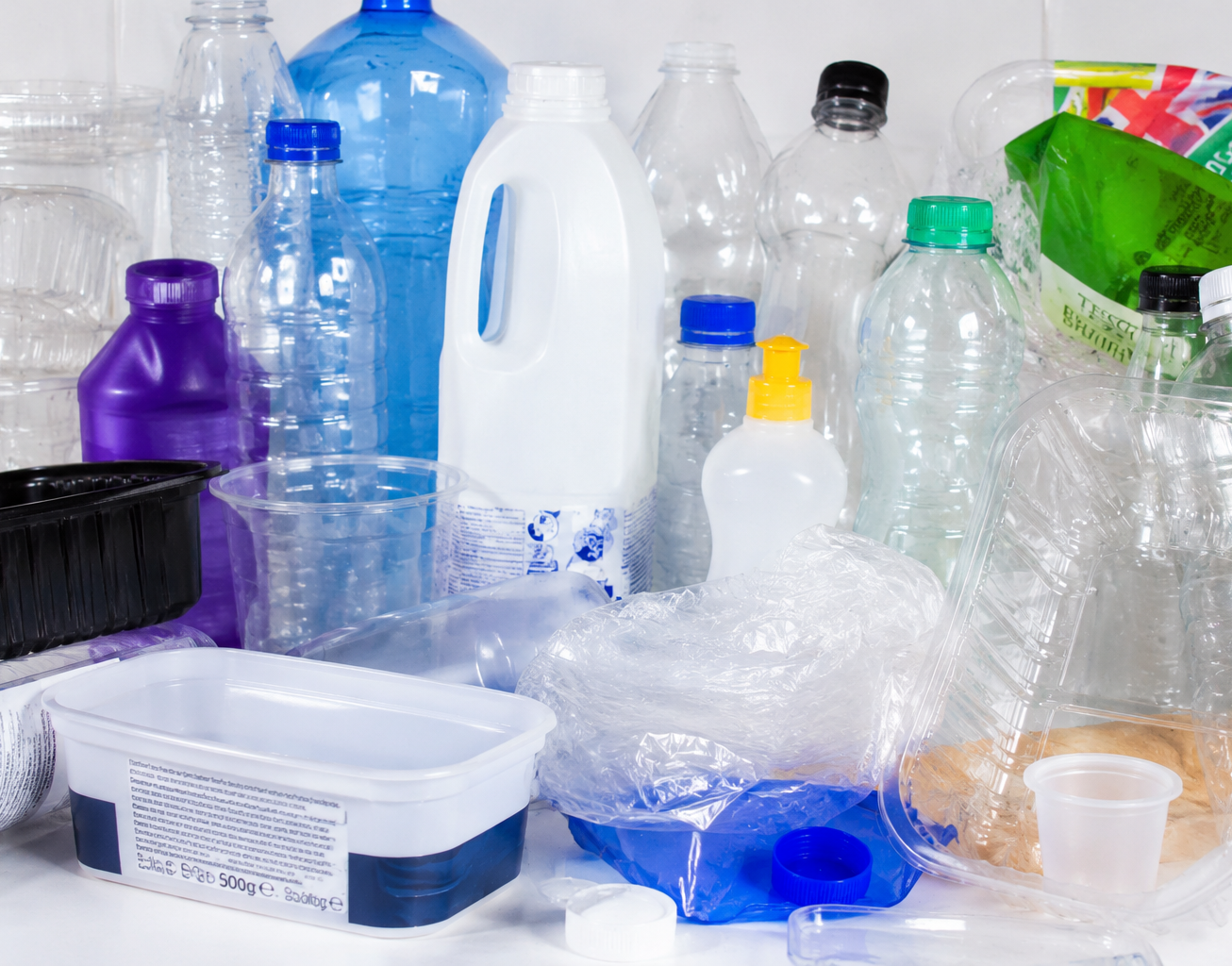
Plastic packaging is everywhere. From food trays and detergent bottles to flexible pouches and protective foams, it plays a central role in modern life and supply chains. Yet despite years of progress in waste management and recycling technologies, one major challenge remains: much of plastic packaging is still not designed to be effectively recycled.
This is precisely the challenge addressed by the new EN 18120:2026 series ‘Design for recycling of plastic packaging’, a comprehensive family of European Standards dedicated to the design-for-recycling of plastic packaging. Developed under the responsibility of CEN/TC 261 ‘Packaging’, the series represents one of the most ambitious standardization initiatives yet in support of Europe’s circular economy objectives.
Far more than a technical exercise, EN 18120 establishes a common European framework to help packaging producers, recyclers, brands, and public authorities speak the same language when it comes to recyclability. At a time when sustainability requirements are becoming increasingly central to European industrial policy, the publication of this series marks an important step towards making plastic packaging genuinely compatible with a circular economy.
From recyclable in theory to recyclable in practice
One of the key strengths of the EN 18120 series lies in its practical approach. In recent years, many packaging solutions have been marketed as recyclable, even though they could not be efficiently sorted, separated or processed in existing recycling infrastructures.
The EN 18120 standards aim to close this gap by focusing on the real-life behaviour of packaging throughout the entire recycling chain: collection, sorting, washing, separation, and reprocessing.
The series begins with EN 18120-1, which defines the fundamental principles and terminology for design-for-recycling of plastic packaging. It is complemented by EN 18120-3, dedicated to evaluation processes for sortability, including technologies such as near-infrared (NIR), magnetic, and eddy-current separation.
Beyond these general principles, the series also includes dedicated guidelines for specific packaging categories and materials:
- PET bottles
- PET rigid packaging
- PE and PP rigid packaging
- PE and PP flexible packaging
- PS/XPS rigid packaging
- EPS packaging
Additional parts define harmonized recyclability evaluation protocols for each of these material streams, creating a coherent and science-based methodology across Europe.
Supporting Europe’s circular economy ambitions
The timing of EN 18120 is particularly significant. Across Europe, policymakers are intensifying efforts to reduce packaging waste, increase recycled content, and improve resource efficiency. New regulatory initiatives, including the Packaging and Packaging Waste Regulation (PPWR), are accelerating the transition towards packaging systems that are not simply technically recyclable, but effectively recycled at scale.
In this context, standards play a crucial role. Regulations can define objectives, but standards provide the operational tools needed to implement them consistently across industries and countries.
EN 18120 therefore acts as a bridge between policy ambitions and industrial reality. By establishing common criteria and testing protocols, it helps manufacturers design packaging that is compatible with existing and emerging recycling systems. At the same time, it offers recyclers and public authorities a more reliable basis for assessing packaging performance.
This harmonization is essential in a European market where packaging often circulates across borders and through highly interconnected value chains. Without shared technical references, recyclability claims can quickly become fragmented or inconsistent.
A roadmap for innovation
The EN 18120 series is also remarkable because it acknowledges that recycling technologies continue to evolve rapidly. Several parts explicitly refer to ‘state-of-the-art’ collection, sorting, and recycling processes, while also anticipating future developments in material recycling and chemical recycling.
This forward-looking approach ensures that the standards do not merely describe current industrial practices but also encourage innovation.
For example, the guidelines classify packaging features according to their compatibility with recycling processes through a simple and accessible colour-coded approach:
- green for full compatibility,
- yellow for limited compatibility, and
- red for incompatible solutions.
Such tools can help companies integrate recyclability considerations much earlier in product development, reducing the risk that problematic packaging designs reach the market.
The standards also recognize the growing importance of advanced sorting technologies and detailed recyclability testing protocols. From flotation and air elutriation to extrusion and pellet characterization, the EN 18120 framework reflects the increasing sophistication of modern recycling systems.
Strengthening European industrial leadership
The publication of EN 18120 demonstrates once again how European standardization contributes to industrial transformation and environmental sustainability simultaneously.
By creating common technical references for recyclable packaging, Europe is helping industry move from fragmented approaches towards a more coherent circular economy model. The standards are expected to facilitate innovation, improve confidence in recyclability claims, and support investment in recycling infrastructure.
Most importantly, they reinforce a simple but increasingly urgent idea: recycling does not begin at the waste plant, but at the design stage.
As consumers, industries, and policymakers demand more sustainable packaging solutions, the EN 18120 series provides Europe with a robust and harmonized framework capable of turning circular economy ambitions into practical reality.