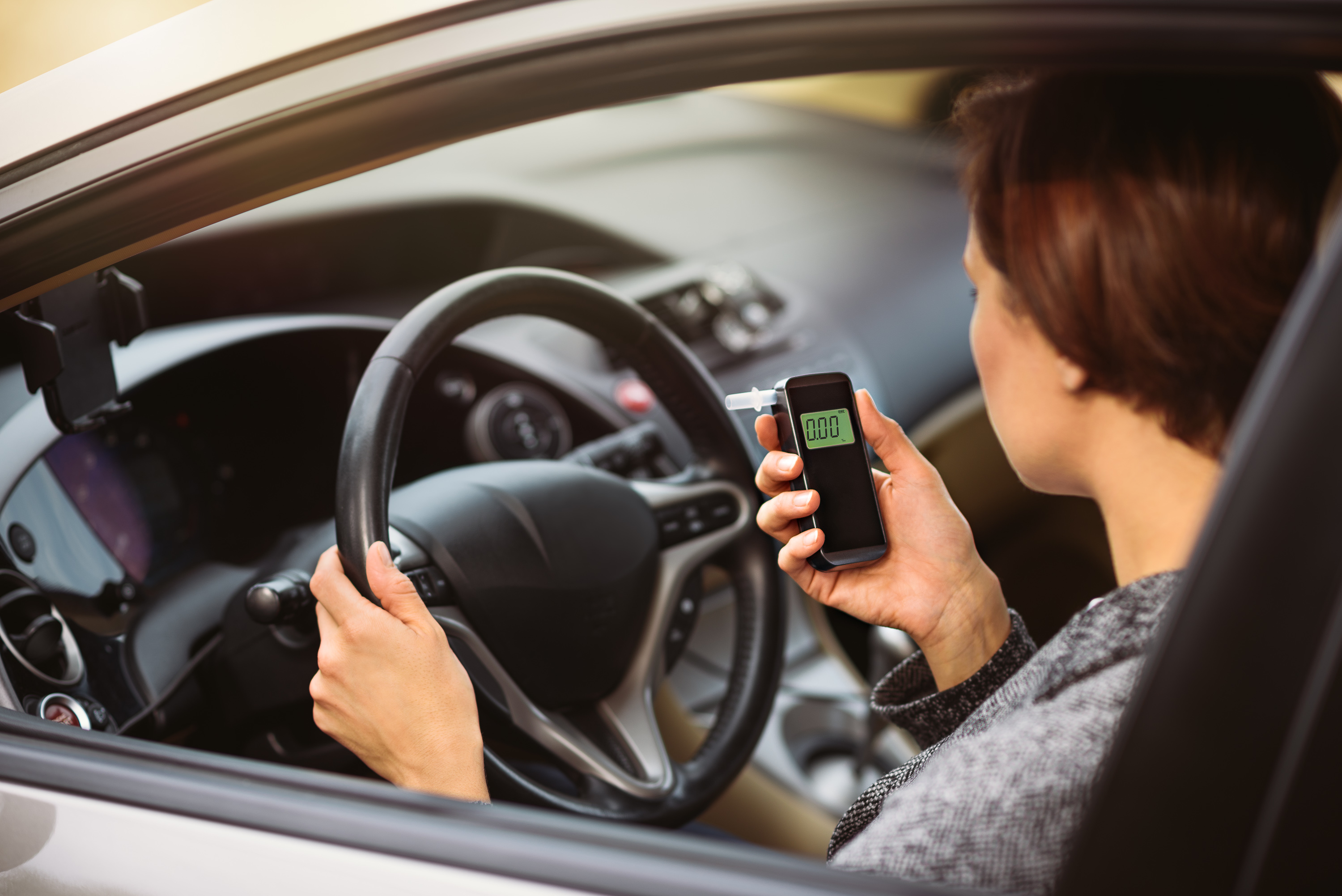
CENELEC recently established the new technical committee CLC/TC 220 ‘Alcohol interlocks’, with the Secretariat held by DKE, to continue and further develop European standardization work in this important safety area. The technical committee’s scope is to develop European Standards on alcohol interlocks that improve road, transport, workplace and individual safety by preventing people with an alcohol level above a specified limit from operating vehicles, equipment or engaging in unsafe activities. Where necessary, the scope may also be extended to include drug detection.
This work was previously carried out under CLC/BTTF 116-2 ‘Alcohol interlocks’. The creation of a Technical Committee reflects the fact that the field requires permanent standardization activity, including the maintenance and revision of existing standards and the possible development of new deliverables.
The EN 50436 series provides the core European framework for alcohol interlocks. It covers performance requirements, test methods and practical guidance for devices designed to prevent alcohol-impaired driving or unsafe operation. The series addresses device performance, implementation guidance, vehicle interfaces, cybersecurity, data security and installation documentation.
In particular, EN 50436-1:2023 specifies performance requirements and test methods for alcohol interlocks, while EN 50436-3:2016 provides guidance for authorities, purchasers, operators and users. EN 50436-4:2022 standardizes the electrical and digital interface between alcohol interlocks and vehicles, EN 50436-6:2015 addresses data security, and EN 50436-7:2024 specifies installation documentation for aftermarket installations.
In addition, EN 50980-1:2019 provides requirements and test methods for remote alcohol monitoring devices used in alcohol abstinence or compliance programmes. Unlike an alcohol interlock, such a device does not prevent vehicle operation; it verifies compliance through breath tests, identification, secure data communication, event logging and anti-circumvention measures.
Stakeholders interested in participating in the work of CLC/TC 220 are invited to contact their National Committee.
Thierry LEGRAND
tlegrand@cencenelec.eu


