The recently published EN IEC 60601-2-57:2026 specifies essential safety and performance requirements for non-laser light source equipment used in medical and aesthetic applications. This European standard, which fully adopts the international text IEC 60601-2-57:2023, is set to formally enter into force at the beginning of 2026.
The standard applies to medical electrical equipment incorporating optical radiation sources (200 nm to 3,000 nm), but excluding lasers, used for therapeutic, diagnostic, monitoring or cosmetic purposes. It represents a significant update to align with current technologies and global regulations, enhancing risk classification and communication regarding optical radiation hazards.
What is the standard about?
EN IEC 60601-2-57:2026 is a particular safety standard for non-laser light source equipment used in medical and aesthetic settings.
The standard establishes the basic safety and essential performance requirements for medical electrical equipment that uses optical radiation (200 nm to 3,000 nm) from sources like LEDs and lamps, but not lasers.
- Goal: To protect patients and operators from hazards like skin burns, eye damage, and unintended photobiological effects.
- Wavelength Range: It covers ultraviolet (UV), visible light (VL), and infrared (IR) radiation.
- Intended Use: The standard applies to devices designed for:
- Therapy: Such as phototherapy for skin conditions.
- Diagnostics: Imaging systems used in dermatology or ophthalmology.
- Monitoring: Non-invasive monitoring of biological processes.
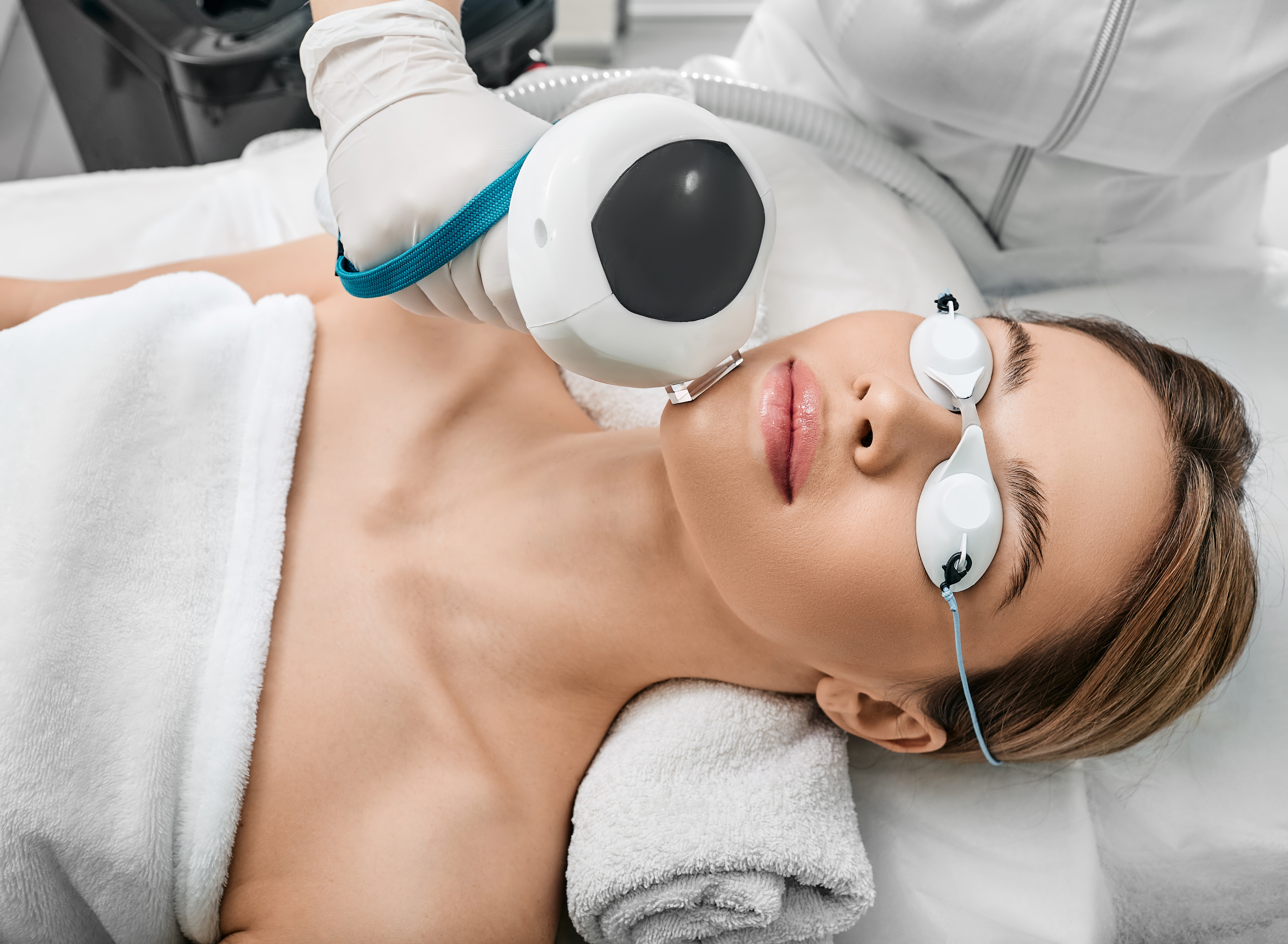
- Cosmetics/Aesthetics: Intense Pulsed Light (IPL) for hair removal or skin rejuvenation.
- Exclusions: It specifically excludes home-use appliances (covered by IEC 60335-2-113), sunbeds, and infant phototherapy equipment.
What does it change?
While based on the 2023 international version (IEC 60601-2-57:2023), the 2026 European adoption adds specific Annexes ZA and ZZ.
- Regulatory Alignment: These annexes harmonize the standard with the European Medical Device Regulation (EU) 2017/745 (MDR).
- Presumption of Conformity: Following this standard now provides a formal "presumption of conformity" to EU laws, simplifying the legal path for manufacturers to sell their devices in Europe.
- Updated Safety Protocols: It includes the latest requirements for risk classification, light output uniformity, and enhanced labeling and instructions to reflect modern technological advances.
Why is it important?
- Hazard Mitigation: High-intensity light can cause severe tissue damage; this standard ensures devices have built-in safeguards and clear warnings.
- Standardization: It provides a "gold standard" for testing, ensuring that a device’s performance is reliable across different manufacturers.
- Global Market Access: Since it aligns with international IEC standards, it helps manufacturers meet both European and global regulatory hurdles simultaneously.
Benefits for industry and society
For Industry, this standard reduces legal risks and R&D costs by providing a clear technical roadmap for compliance. As for the wider society, it increases public trust in medical and aesthetic treatments by ensuring the equipment used in clinics is scientifically proven to be safe and effective.
Practical Applications
This standard is applied to:
- IPL Systems in beauty clinics for hair removal.
- Phototherapy Lamps in hospitals for treating psoriasis or eczema.
- Diagnostic Imaging tools that use non-laser light to look inside the body non-invasively.
For a concrete example of the effects of EN IEC 60601-2-57:2026, consider someone undergoing IPL (Intense Pulsed Light) treatment for rosacea. Because of this standard, the device is guaranteed to have uniform light output. Without this requirement, the light might be stronger in some spots than others, leading to accidental skin burns or scarring. Furthermore, the standard ensures the operator has clear instructions on the correct protective eyewear, preventing permanent eye injury during the procedure. By strictly regulating the photobiological hazards of ultraviolet (UV) and infrared (IR) components, the standard also helps prevent unintended long-term effects like accelerated skin aging or increased risk of skin cancer from repeated treatments.
Essentially, it turns a complex medical technology into a routine, low-risk procedure that people can trust for their daily health and aesthetic needs.
More specifically, for Risk Group 3 (High Risk) devices (like clinical IPL or high-power UV lamps) which can cause immediate and permanent injury if misused, the standard mandates specific labeling requirements:
- Highly Visible Warning Signs: Labels must be placed directly on the equipment, often using standardized symbols for optical radiation hazards.
- Specific Exposure Information: Manufacturers must label the Ocular Hazard Distance (OHD) and provide recommended exposure schedules and positions.
- User Identification: A prominent statement that the device is intended only for professional use.
- Durability: Labels must remain legible even after repeated cleaning with hospital-grade disinfectants like isopropyl alcohol.
Applications in New LED-Based Therapies
Modern LED technology has replaced traditional bulbs in many medical fields, and this standard ensures these new "cool" light sources are just as safe as their predecessors:
- Photobiological Safety (LEDs): LEDs can emit high levels of blue light, which carries a risk of retinal damage. The standard categorizes these LEDs into Risk Groups (RG 0–3) to prevent accidental ocular injury.
- Dermatological Healing: Ensures safe use of High-Intensity LED arrays for wound healing and acne treatment, ensuring the light is uniform across the entire treated area.
- Non-Invasive Diagnostics: Standardizes LED-based optical imaging (similar to X-rays but using visible light) for screening neurological damage or monitoring chemotherapy without ionizing radiation.
- Physiotherapy: High-power LED panels for deep tissue pain relief, where the standard ensures the heat generated doesn't accidentally cause thermal skin burns.
By following these protocols, manufacturers can prove their new LED innovations meet the General Safety and Performance Requirements (GSPR) of the EU Medical Device Regulation (MDR) 2017/745.
Costanza PESTARINO
cpestarino@cencenelec.eu


