Every four years, when the Winter Olympics comes around, people all over the world gather to marvel at the incredible skill, determination, and bravery the athletes showcase, set against a breathtaking backdrop of snow-covered peaks. This recurring rite has been in full force these weeks with the Milano-Cortina 2026 Winter Olympics. While it is undoubtedly the sportspeople in the spotlight, did you know that a myriad of standards are working in the background to ensure people are protected and the competitions run smoothly?
Ice hockey is a dynamic and demanding sport, and having adequate protection for the players is a must. With solid pucks flying around and players cruising at high speeds, EN ISO 10256-1:2024 offers the perfect protection by setting the requirements for head, face, eye, neck, and body protectors used in ice hockey. Additional protection is offered by EN ISO 10256-2:2024, which protects players’ heads. EN ISO 10256-3:2024 details requirements for face and eye protectors, EN ISO 10256-4:2024 focuses specifically on the protection of ice hockey goalkeepers’ face and head, while CEN/TS 15256:2005 takes care of protective clothing for ice hockey players (other than goalkeepers), including requirements for cut resistance, zone of protection, and impact performance. Finally, a future standard for neck laceration protectors for ice hockey players, prEN ISO 10256-5, is in the works.
Head protection is also crucial for all sports that involve rapidly descending slopes or tracks. At these speeds, even a minor impact can have serious consequences. It is no surprise then that the sports where you are hurtling down an icy track or channel have their own dedicated standards for head protection: EN 13484:2012 takes care of helmets for participants in luge competitions, including requirements for field of vision, shock absorbing properties, as well as resistance to penetration, while EN 13781:2012 is responsible for protective helmets for drivers and passengers of bobsleighs.
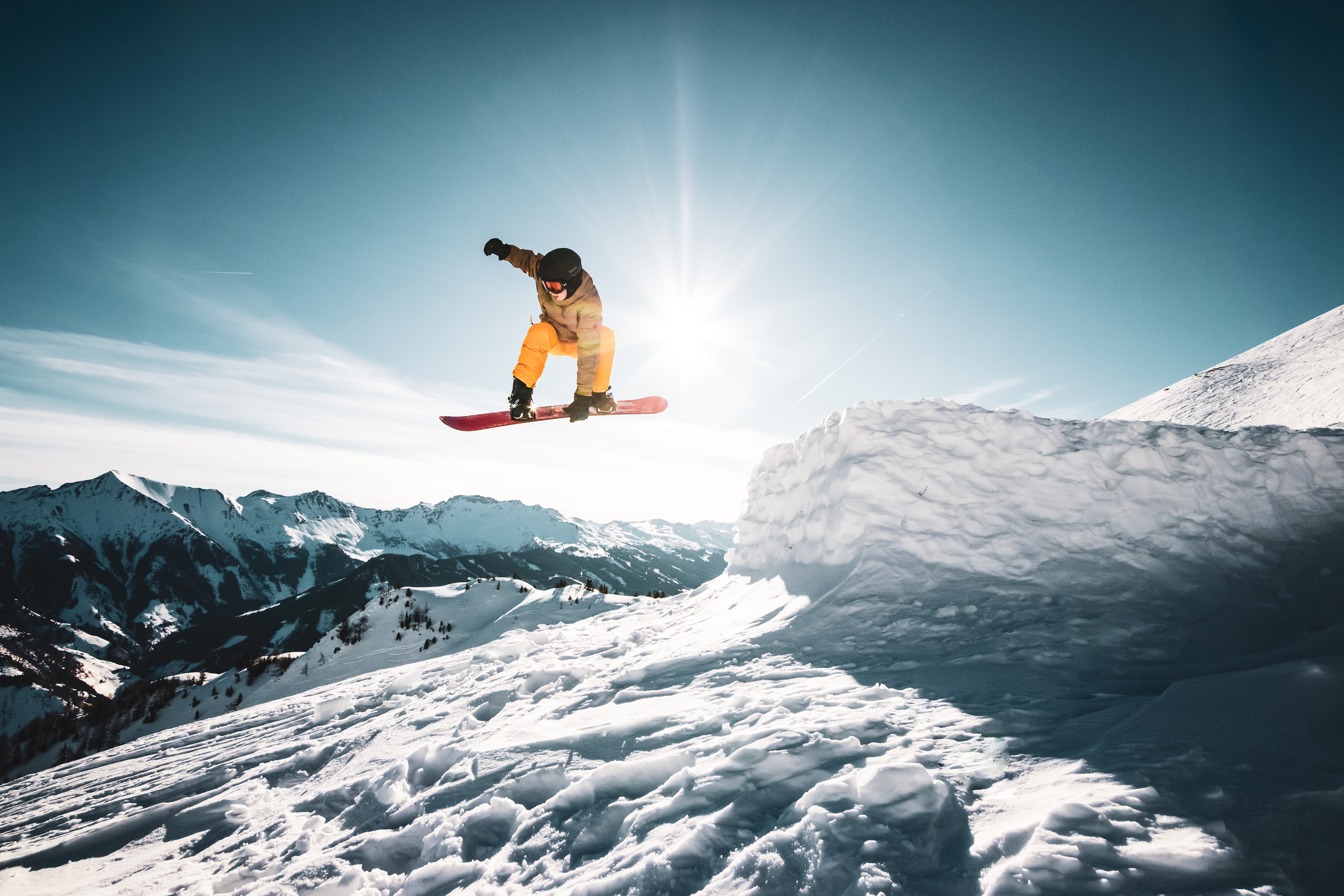
Moving from the track to the slopes, skiers and snowboarders need to battle both gravity and the elements as they reach incredible speeds and do impressive tricks in the air. To help reach these goals, EN ISO 20320:2020 takes care of wrist protectors for snowboarding by specifying the requirements for ergonomics, comfort, restraint, and ability to limit wrist extension and attenuate impact force on the palm. Clear vision is equally essential, often making the difference between gold and disaster. EN ISO 18527-1:2022 makes sure skiers and snowboarders are protected by suitable goggles against snow and wind, while EN 1077:2007 sets the requirements for helmets to provide effective protection for alpine skiers and snowboarders.
Away from the athletes themselves, an event as complex and large-scale as the Winter Olympics depends on meticulous organization behind the scenes. Standards also play an important role here. EN 12193:2018, for example, takes care of lighting for indoor and outdoor sports events, including aspects such as the uniformity and colour properties of light sources. Focusing on the spectator experience, the EN 13200 series ensures a comfortable and safe viewing experience. EN 13200-1:2019 outlines the general design and management requirements for spectator facilities at entertainment venues, EN 13200-4:2023 guarantees comfortable, functional, and safe seating, EN 13200-8:2017 is responsible for safety management and safety procedures, while the upcoming prEN 13200-10 will be dedicated to emergency management in spectator facilities.
And finally, beyond the Olympic venues, standards also support fans and winter lovers at home. EN 15638:2009 makes sure that ice skates don’t pose any risk of injury to neither the wearer nor anybody else, while EN 342:2017 protects against the cold by ensuring winter clothing helps keep us all warm and safe in low temperatures.
From the clash of ice hockey players to the silent concentration of a snowboarder mid-air, the Winter Olympics are a celebration of human performance at its limits. However, behind every breathtaking moment stands a carefully crafted framework of standards, protecting athletes, supporting organizers, and ensuring spectators can focus on the magic of the Games.