Summary Report
Oslo, 21–22 May 2025
Heads of Delegation Workshop on Business Model Innovation
A New Chapter for the CEN and CENELEC Community
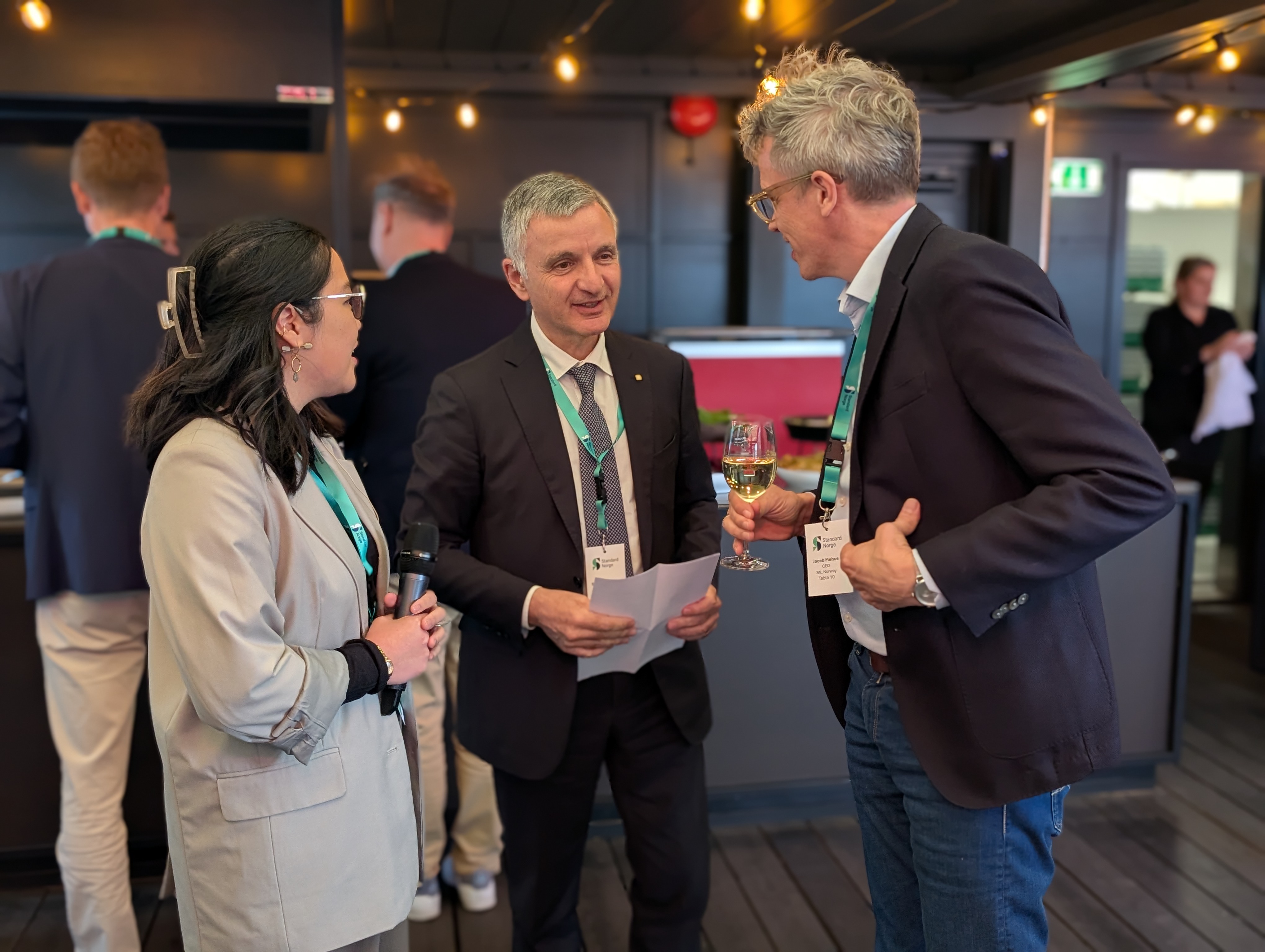
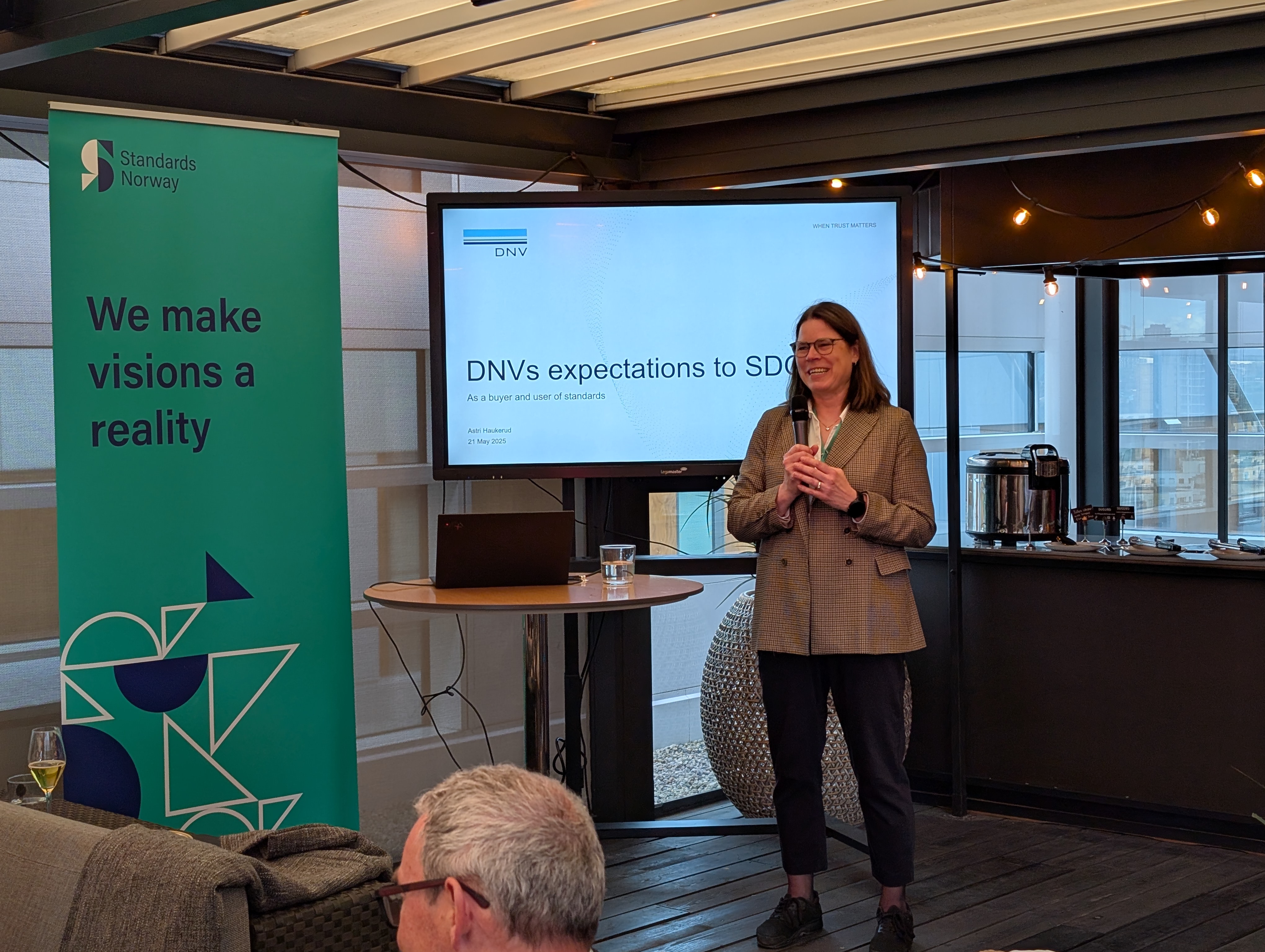
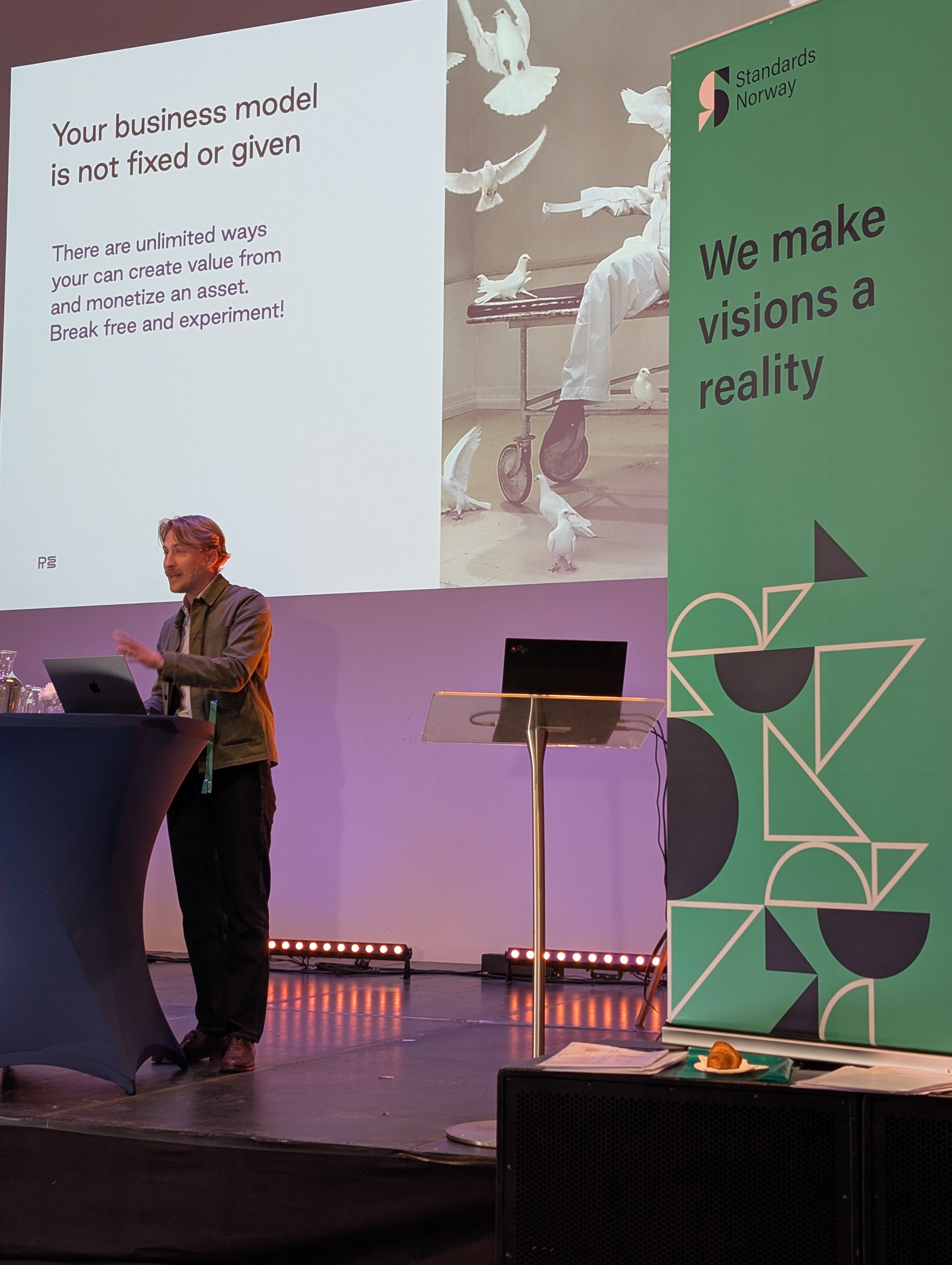
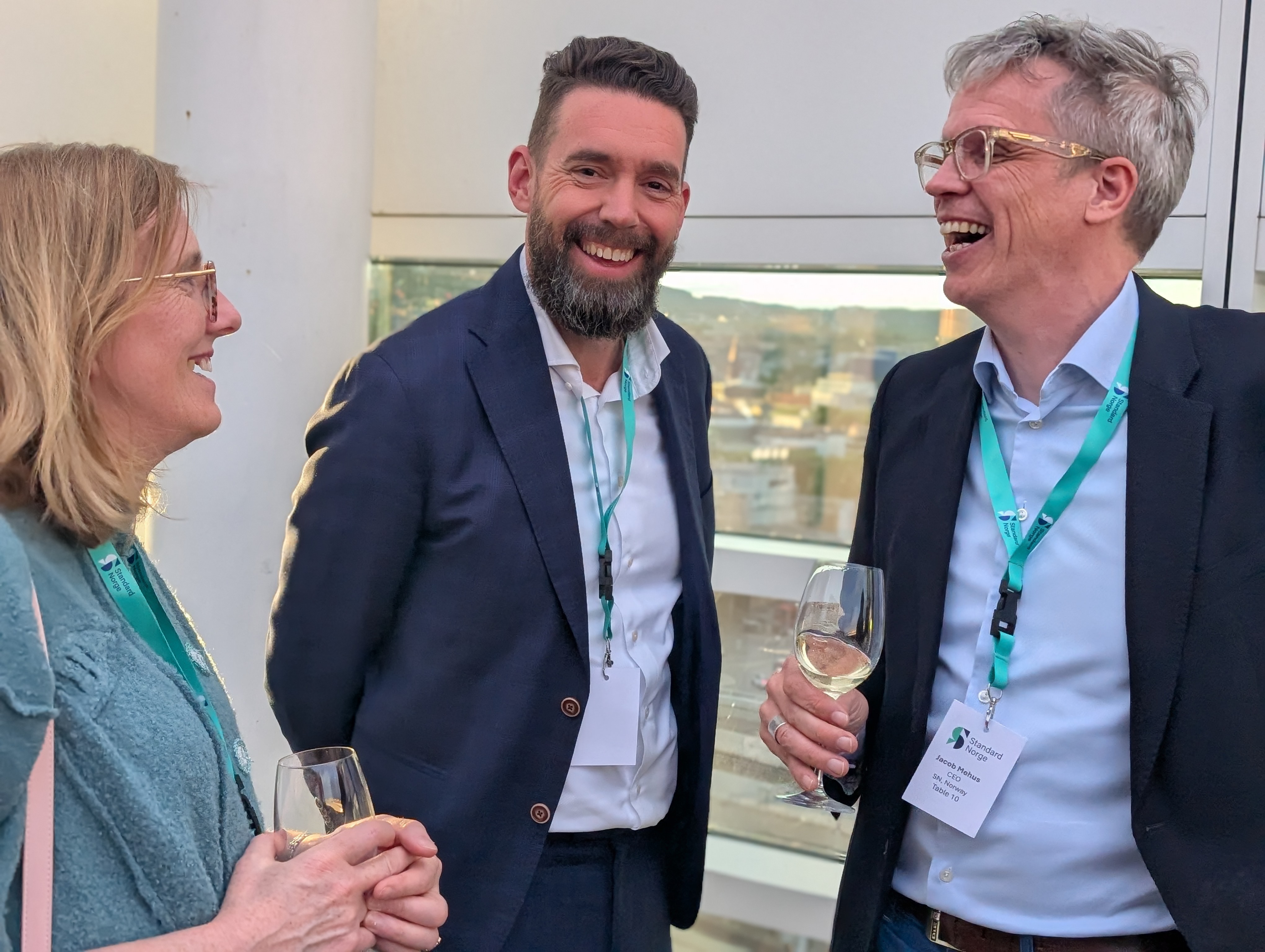
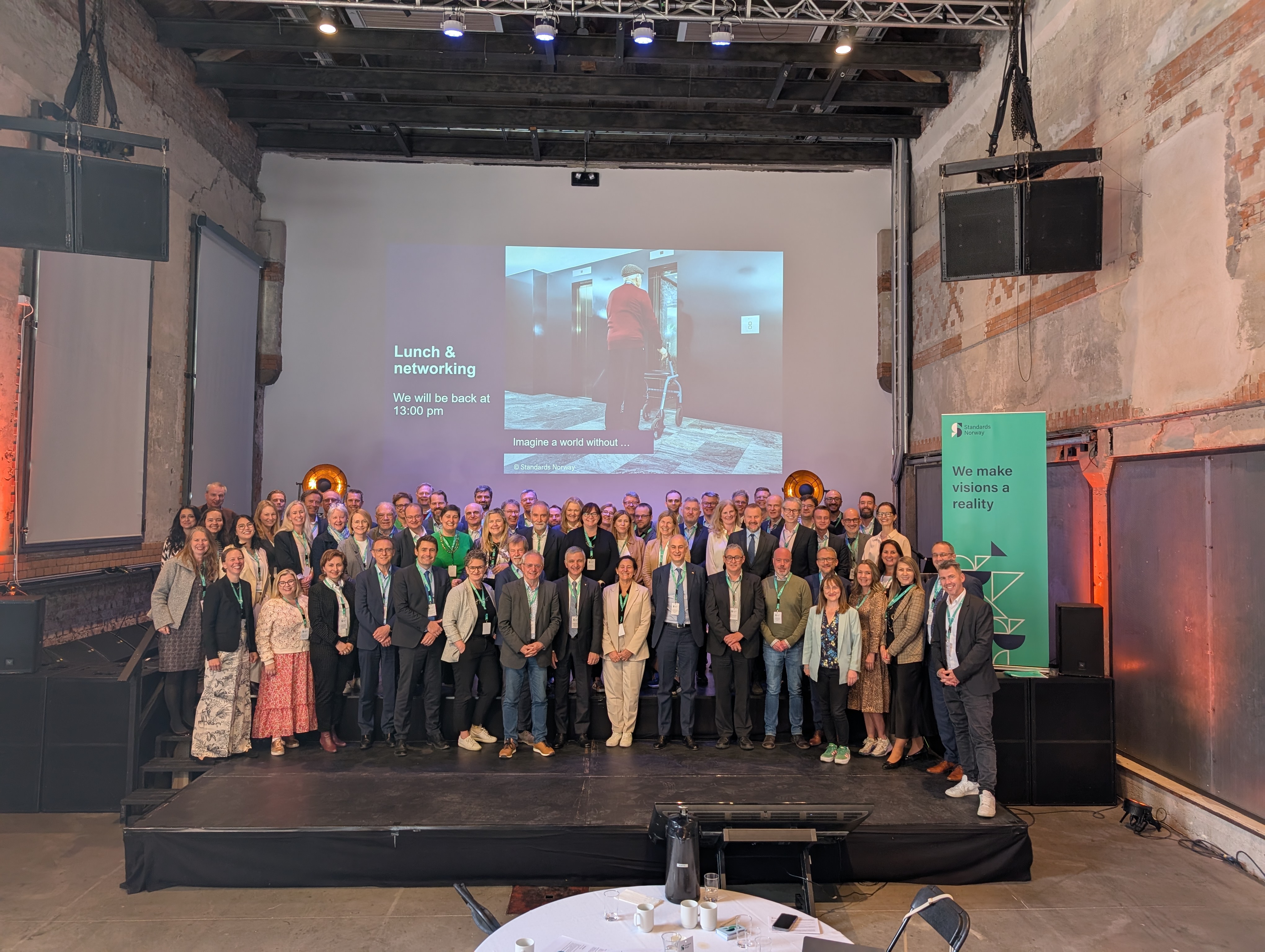
The Oslo Heads of Delegation Workshop marked a milestone moment for the CEN and CENELEC communities. For the first time, leaders from across the Membership gathered to explore the strategic imperative of Business Model Innovation (BMI). With strong participation and candid dialogue, the HoD Workshop was not simply a Members meeting — it signalled the beginning of a new shared journey.
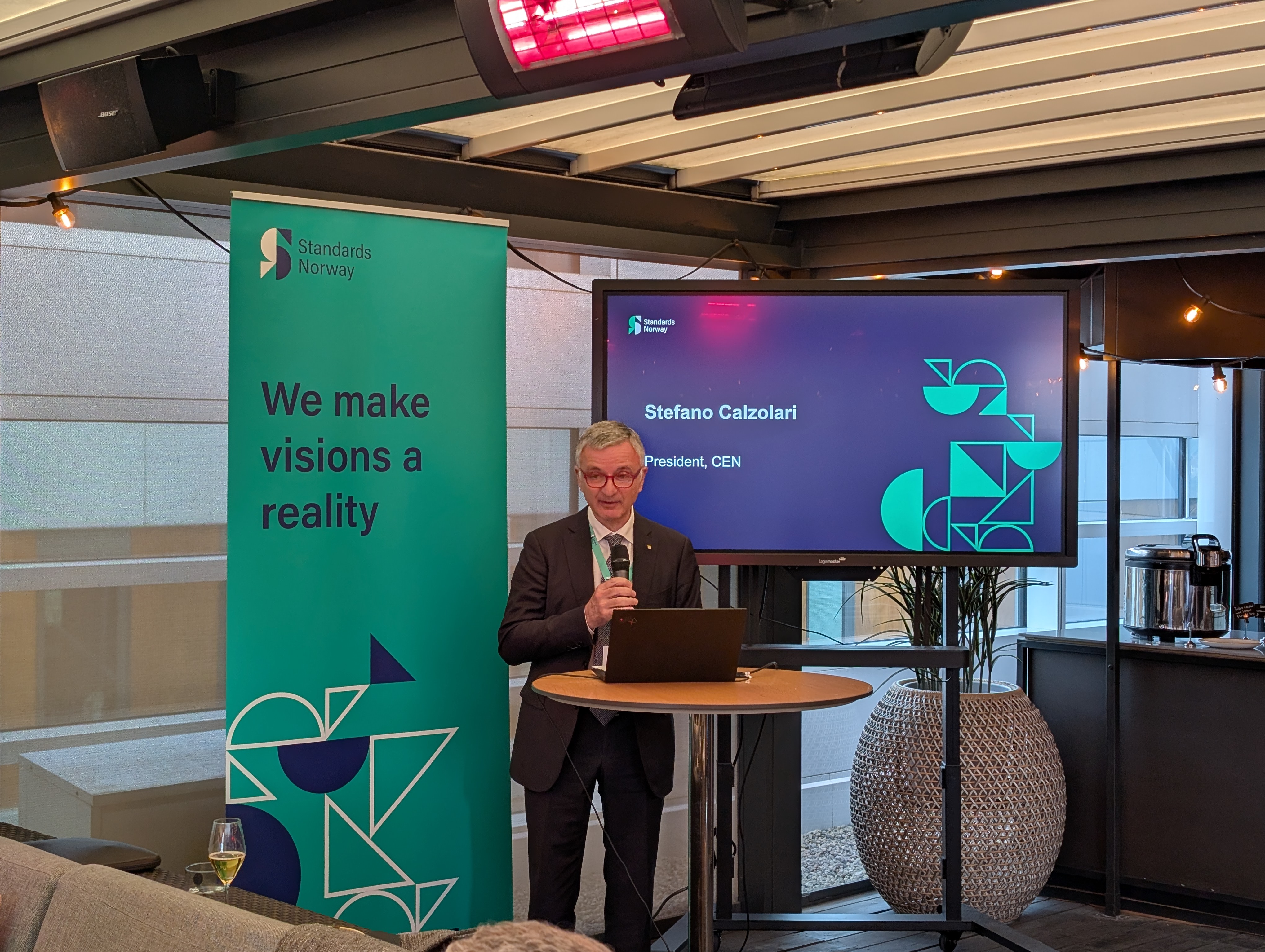
CEN President Stefano CALZOLARI emphasized in his opening remarks on Wednesday 21 May, that "the gathering signals our readiness to adapt and play our part in a changing market environment." It reflects our collective understanding that business model innovation is no longer optional, and that future relevance requires a fundamental rethinking of how we create, deliver, and capture value.
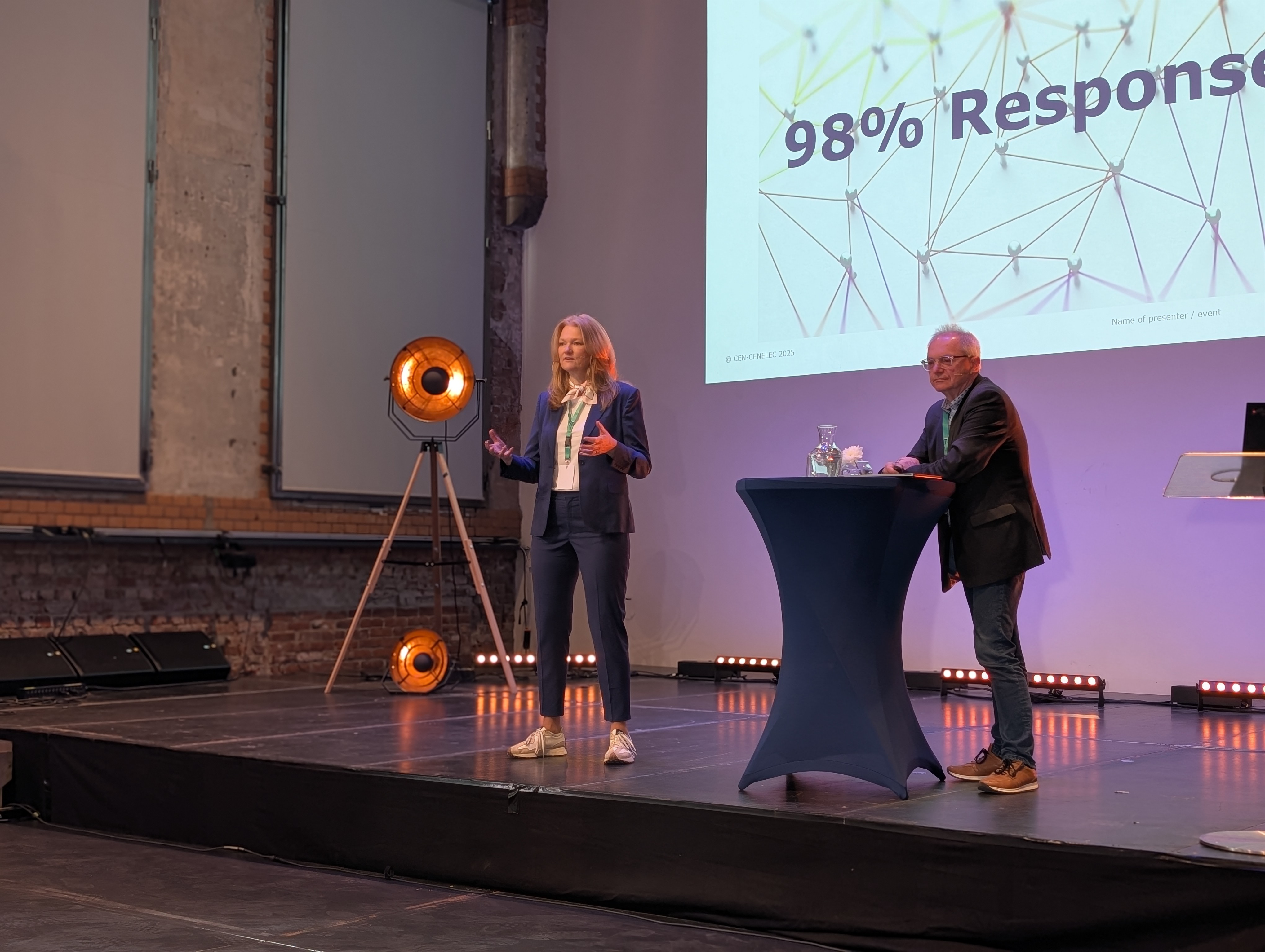
Similarly, CEN Vice-President Technical Annika ANDREASEN, and CENELEC Vice-President Finance, Karl-Heinz MAYER — speaking as co-chairs of the newly established Board Standing Committee on Business Innovation & Digital Transformation (BI&DT) — shared early insights from the S2030 Survey launched in April. Their message was clear: while Members broadly recognize the urgency of change and express a strong interest in exploring new business models, many also face real challenges in moving from awareness to action. The Oslo HoD workshop, they concluded, would the first step in tackling those challenges together.
A Shared Starting Point: From Awareness to Action
The workshop, hosted by Standards Norway (SN), brought together Heads of Delegation and senior leaders for a full-day, hands-on agenda featuring external lightning talks, keynotes, cross-sectoral case studies, and forward-looking dialogue. A key framing throughout was that BMI is not about abandoning our core mission, but about evolving how we continue to that mission amid digitalization, geopolitical shifts, new user demands, and the growing expectation for service-based, integrated offerings.
Key Themes:
- We face similar pressures: like publishers, legal platforms, or creative software providers, the standardization ecosystem is facing disruption from new technologies, increasing demand for ‘for free’, and shifting user and stakeholder expectations. The lessons are clear: defending the legacy, product-centred models, is not a viable long-term strategy.
- We have untapped assets: trust, technical credibility, and institutional relationships are powerful foundations to build upon. But to remain relevant, we must find new ways to embed our services into user workflows and shift from a transactional model (selling ownership of documents) to value-added services and solutions.
- We are innovating already: Several Members shared early experiences in developing new offerings or experimenting with service innovation. While no one-size-fits-all solution exists, the willingness to explore, test, learn and share lessons learned is growing.
Lessons from Beyond Standardization
Participants worked through real-world case studies from industries that have successfully navigated transformation — including RELX, Adobe, Springer Nature, and LexisNexis. Each story illustrated how organizations redefined their offerings to stay relevant and created new revenue models in the process.
Key Insights:
- Letting go of legacy models can unlock new growth. Be it through new sources of revenue, by broaching new customer segments, by enhancing our value to users and customers, or strengthening our position within a rapidly changing ecosystem.
- Embedding services into user workflows increases relevance and safeguards customer loyalty. When standards data are available at the point of use—within engineering software, procurement platforms, regulatory portals, or product development tools—they become not just useful, but indispensable.
- You don’t need to develop everything yourself — succeeding in the complex ecosystem of international standardization requires Members to develop, coordinate and connect different capabilities, partners and services to deliver a cohesive, high-impact value-offering.
- Transformation is cultural as much as it is strategic — internal change is essential and will require long-term strategic investment and commitment from management at both the European and national level. Shifting from products to services, or from documents to digital tools, will require more than introducing new offerings — it will require new ways of thinking, collaborating, and measuring success.
From Ideas to Commitments
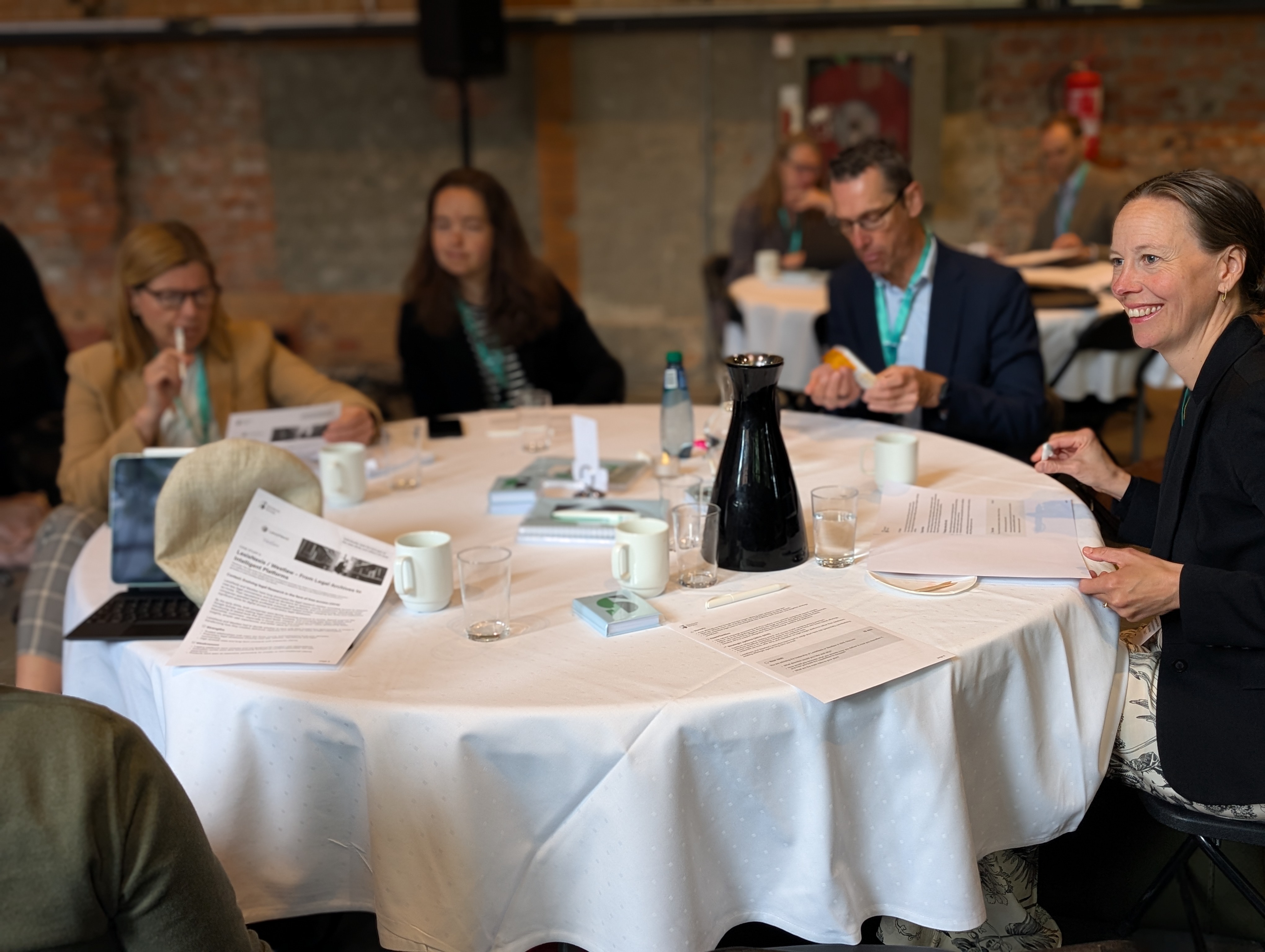
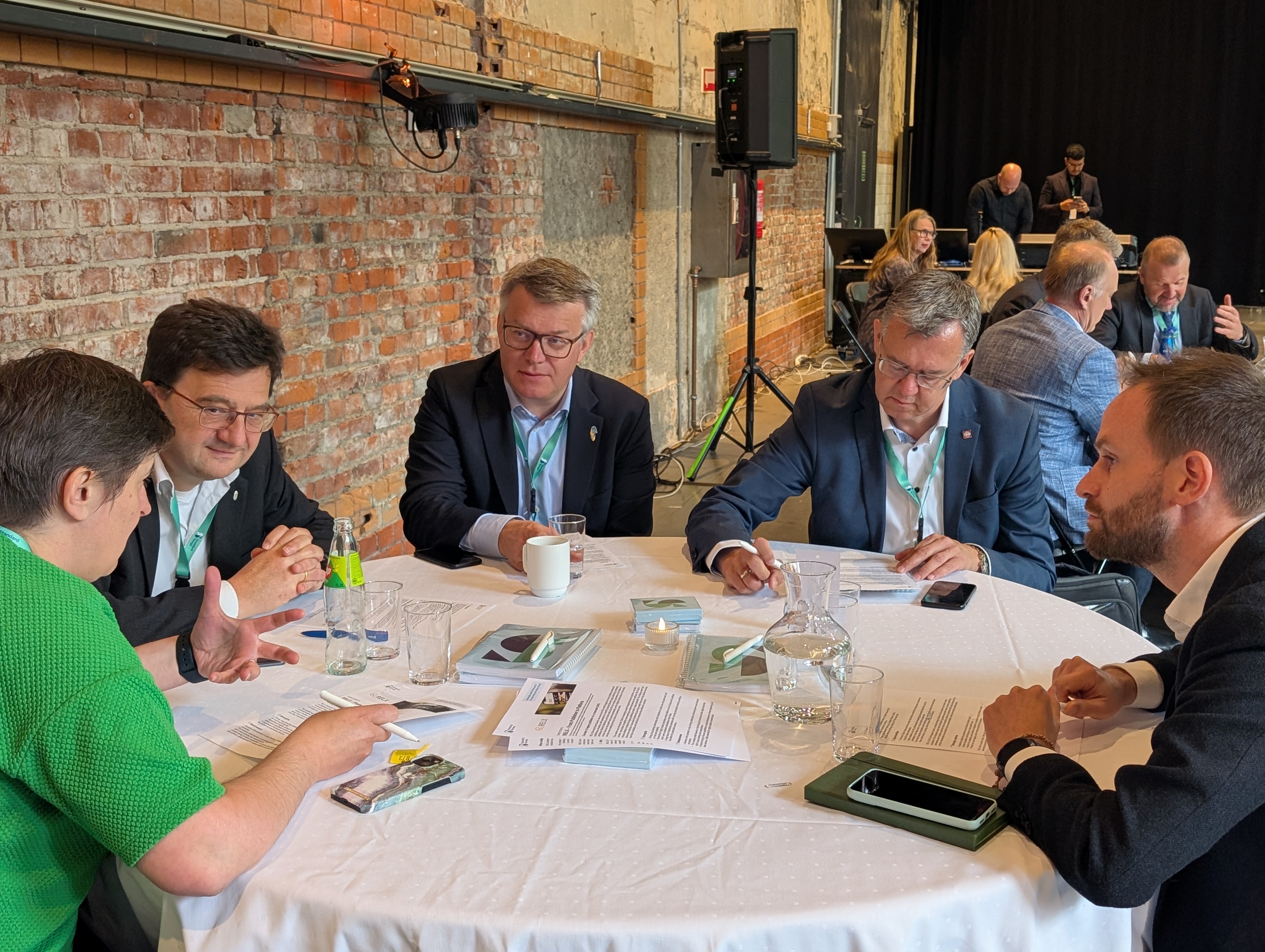
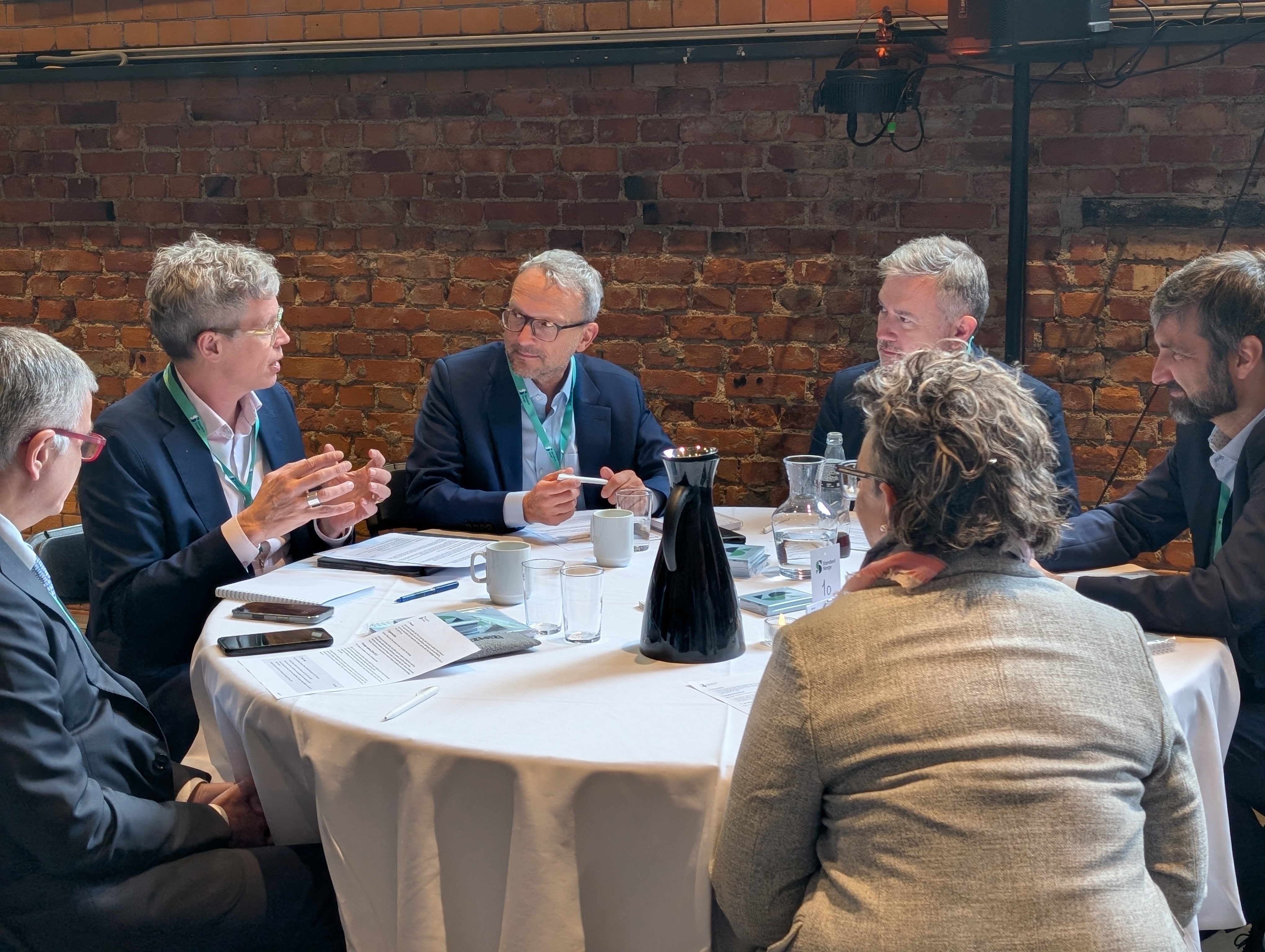
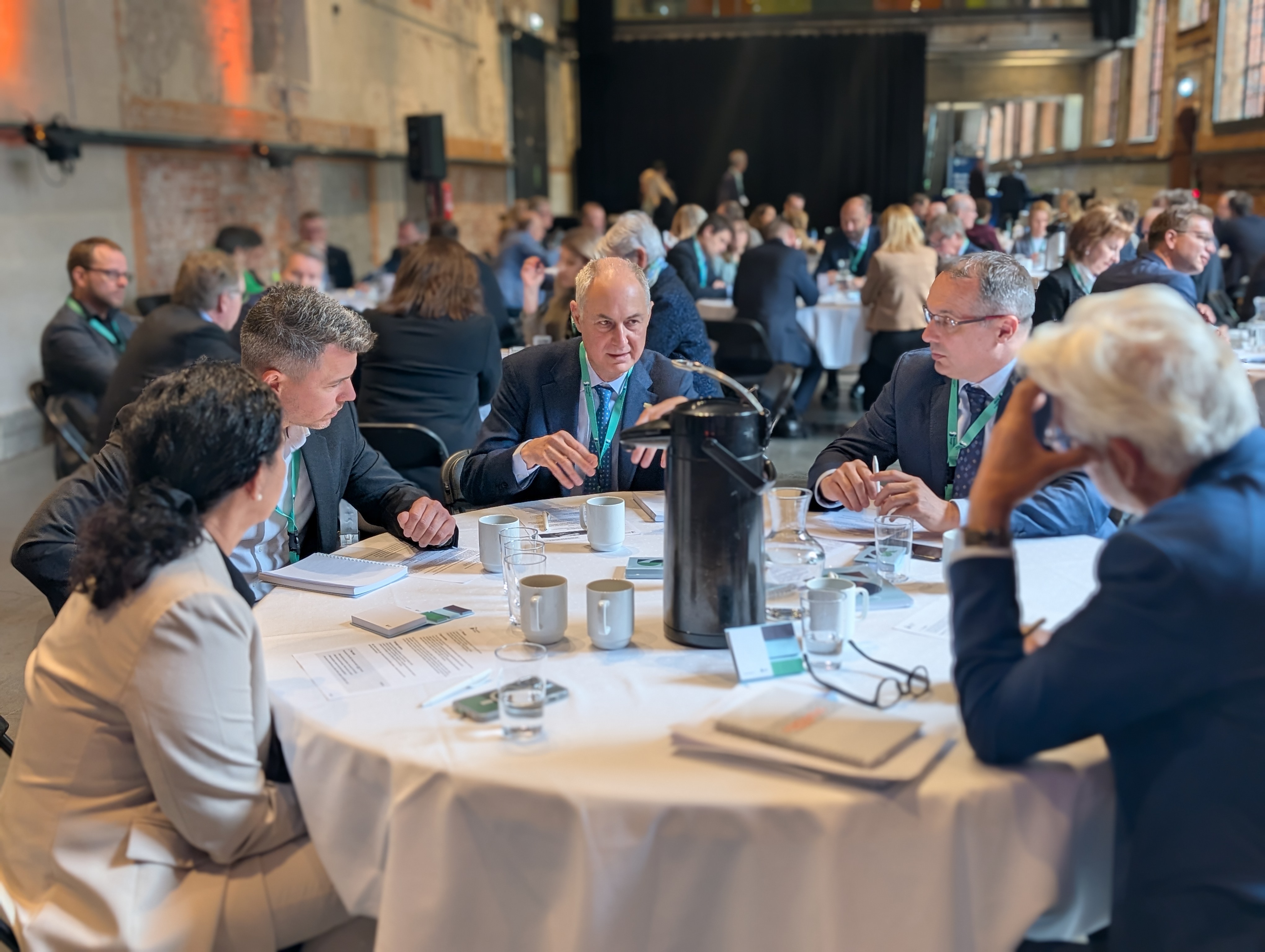
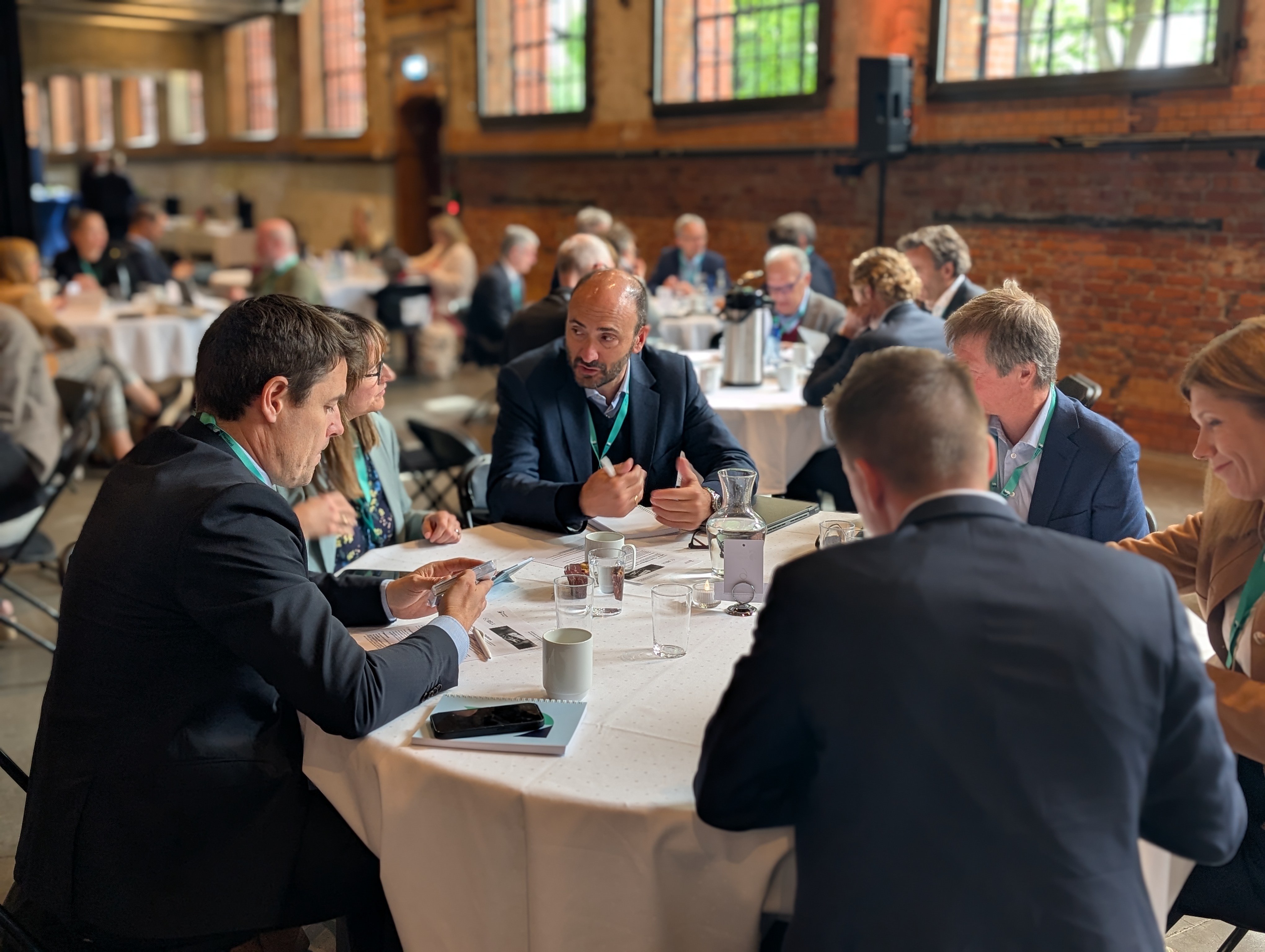
In the afternoon, delegates engaged in round-table discussions to present and discuss concrete, actionable commitments to explore or advance business model innovation in their own organizations.
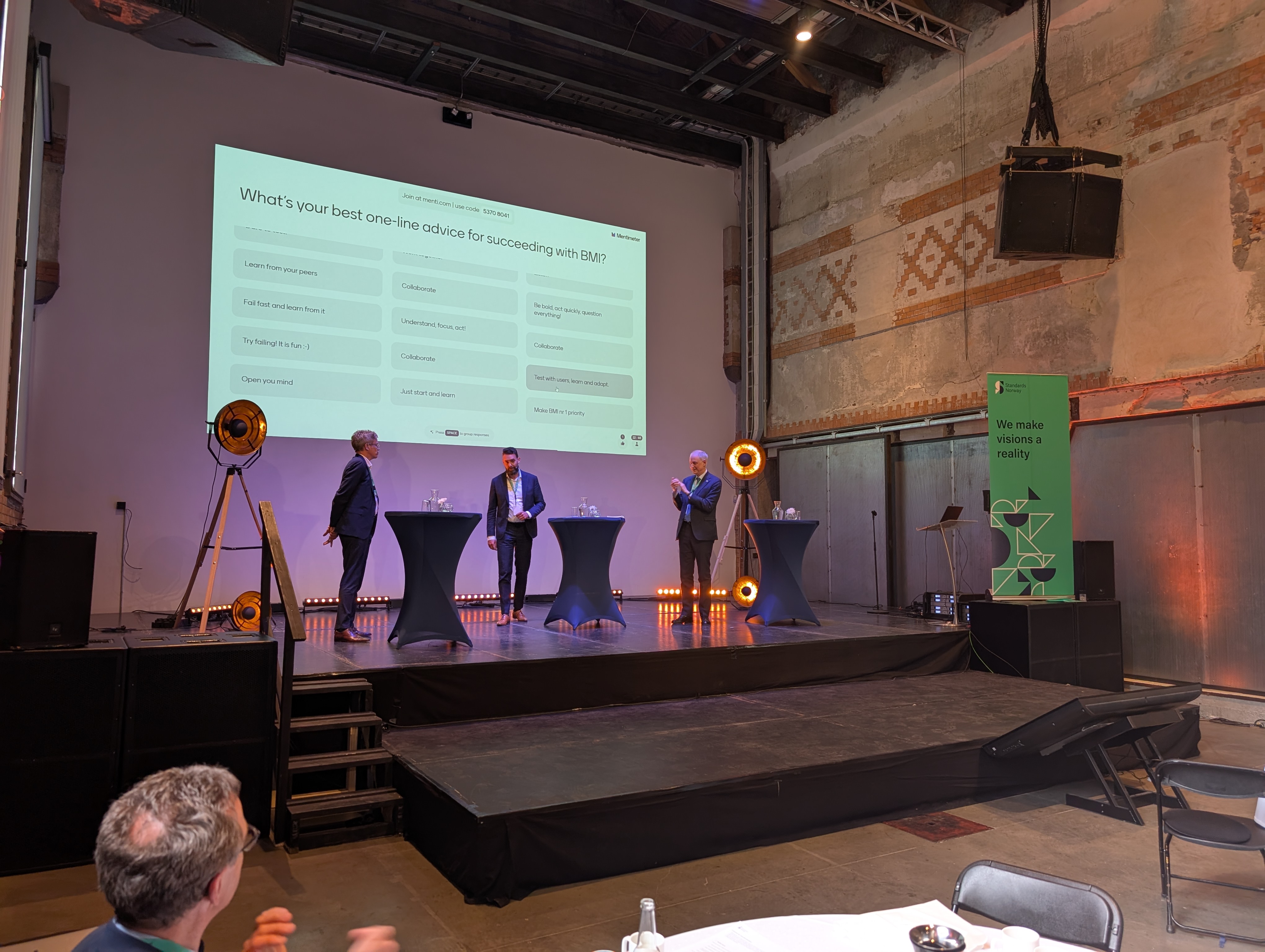
Importantly, the day concluded not with a list of solutions, but with a shared commitment to learning and experimentation. BMI is not a single decision—it is a process, and for it to succeed in our interconnected system, it must be a collective effort – based on a frank, open dialogue about how we view the future of our system.
In his concluding remarks, CENELEC President Riccardo LAMA captured key messages from throughout the day and thanked Standards Norway (SN) and its CEO, Jacob MEHUS, for hosting the workshop. SN’s commitment to getting this journey started, in a spirit of ambition and openness, has laid the foundation for a recurring and transformative conversation across the CEN and CENELEC system.
What Comes Next
The Oslo Workshop was the first in a new series of community learning and sharing about BMI. It was announced, therefore, that the next Heads of Delegation Workshop on Business Model Innovation will take place on 13 November 2025, hosted by the Royal Netherlands Standardization Institute (NEN) in Amsterdam. A save the date will go out shortly, while further details on the programme and logistics will follow in due time.
In the meantime, Members are strongly encouraged to reuse and adapt the workshop materials—including the case studies and briefing materials. These resources are designed for practical application and further discussion, be it for internal reflection exercises with staff or for engagement initiatives with relevant national stakeholders.
Should you wish any further details or have any comments or suggestions about CEN and CENELEC’s ongoing activities in the space of business model innovation, please do not hesitate to contact Andreea GULACSI and Brecht LEIN.
Event Pictures